Picture your morning starting with a coffee on a tree‑lined street and an easy stroll to the Metra, or a quick walk down to the bluff for sunrise over Lake Michigan. If you’re weighing a move to Lake Bluff, you likely want that small‑village feel without giving up access to schools, parks, and a manageable Chicago commute. This guide gives you a clear, practical look at neighborhoods, costs, daily life, commuting, and a step‑by‑step plan to buy with confidence from out of town. Let’s dive in.
Lake Bluff at a glance
Lake Bluff is a North Shore village known for its lakefront, walkable uptown, and active community calendar. According to the U.S. Census QuickFacts, the village has about 5,600 residents, covers roughly 4.08 square miles, has a high owner‑occupied rate near 92 percent, and a median household income above $200,000. The Census lists the median value of owner‑occupied homes at about $776,700, which reflects the community’s overall affluence and established housing stock. You can explore core demographics on the official U.S. Census QuickFacts for Lake Bluff.
Local identity runs strong here. The Village and Park District host events and invest in parks, fields, and the lakefront, which keeps daily life active and connected. Village publications highlight seasonal programs and improvements that many newcomers appreciate as they settle in. You can browse recent updates and event details in Village publications.
Neighborhoods and housing choices
Uptown and the Village Green
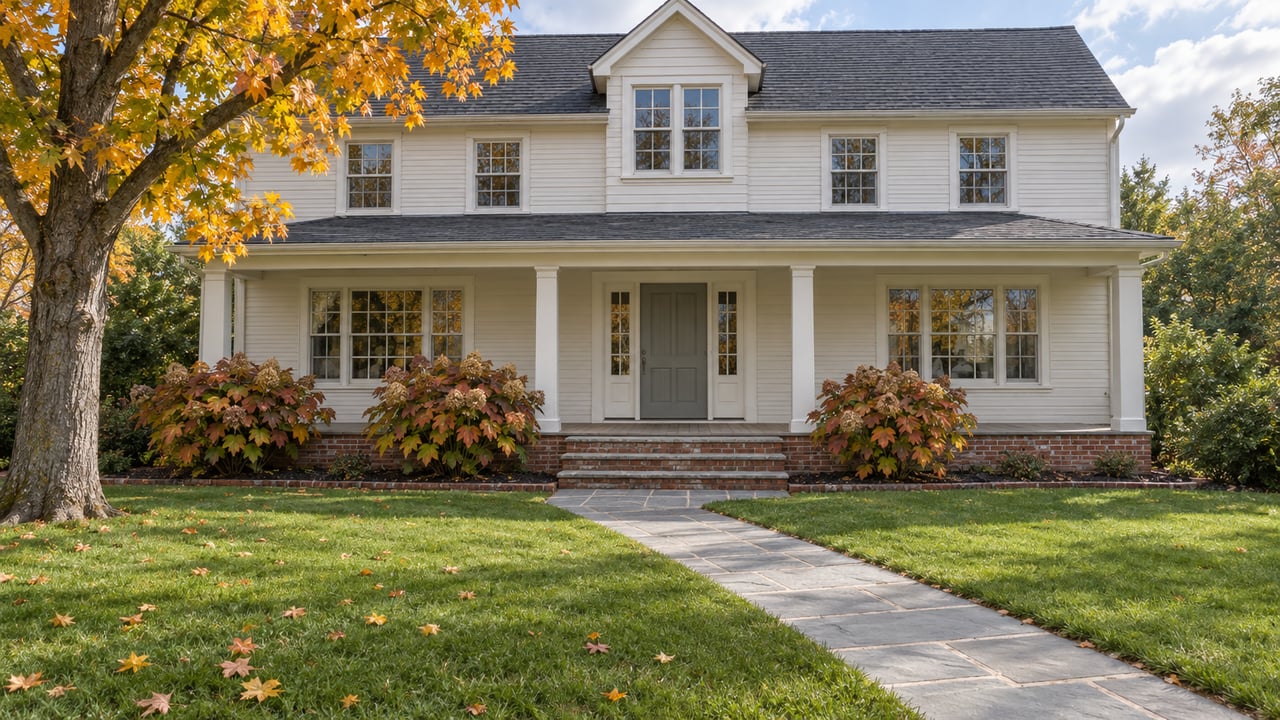
If you want a short walk to coffee, dinner, and the train, start here. Uptown centers on the Village Green and the Metra station, forming a compact, walkable core. Housing includes charming cottages and bungalows, renovated single‑family homes, and a limited number of townhomes or condos near the center.
Quick‑card:
- Home types: older cottages, updated single‑family, limited attached options.
- What you’ll love: walk‑to‑train convenience, village events on the Green.
- Consider if you: value a car‑light lifestyle and frequent Metra use.
East Lake Bluff and the lakefront
East of Sheridan Road you’ll find proximity to Sunrise Park & Beach and dramatic bluff‑top vistas. The Park District manages beach access, including seasonal lifeguard hours, stairs, and ongoing shoreline work. Lakefront and lake‑adjacent properties often command premiums thanks to setting and views. For background on beach stewardship and access features, see the Park District’s Sunrise Park & Beach management report.
Quick‑card:
- Home types: historic homes and larger custom properties.
- What you’ll love: quick access to the beach and bluff‑top paths.
- Consider if you: prioritize lake proximity and outdoor time.
West side and Knollwood
Farther west, neighborhoods offer mature trees, neighborhood parks, and a mix of older, well‑kept homes with thoughtful renovations. Many buyers look here for a broader selection of single‑family homes and a quieter residential feel, while still being a short drive to the lake and downtown.
Quick‑card:
- Home types: traditional single‑family on established streets.
- What you’ll love: residential streets, parks, and a relaxed pace.
- Consider if you: want more space and value relative to lakefront areas.
What homes cost today
Most Lake Bluff sales fall within a broad range from the mid‑600Ks to 1 million dollars or more, depending on property size, condition, and proximity to the lake or uptown. Lakefront locations can trade well above that range due to setting and views. Community baselines, like the Census‑reported median value of owner‑occupied homes near $776,700, offer helpful context, but month‑to‑month market medians vary by data source and inventory levels. For contract pricing, rely on your agent’s real‑time MLS comparables and neighborhood‑specific trends.
Two practical notes as you plan your budget:
- Inventory can be tight, especially for move‑in‑ready homes near the train or the lake. Be prepared to act quickly when the right home appears.
- If you’re comparing neighborhood options, ask for a side‑by‑side of recent solds, days on market, and list‑to‑sale ratios. That helps you calibrate both price and pace.
Daily life and amenities
Parks, beach, and recreation
Sunrise Park & Beach is a signature amenity with guarded summer swimming, bluff‑to‑beach stairs, and seasonal programming. The Park District continues shoreline and access improvements, so it’s wise to review current rules for passes, hours, and parking before the season begins. The broader park system includes neighborhood parks, a recreation center, Blair Park Pool, and paddle tennis, all highlighted in recent Village publications. These amenities make it easy to build routines around the outdoors.
Downtown, dining, and events
Uptown’s small cluster of restaurants and shops frames year‑round community life. From farmers markets on the Village Green to seasonal festivals, the calendar brings neighbors together and gives newcomers quick ways to plug in. Check the latest dates and details in the Village’s event roundups within Village publications.
Schools and youth programs
Lake Bluff addresses are served by Lake Bluff School District 65 for K–8, and most students attend Lake Forest Community High School in District 115. Many buyers cite schools and enrichment programming as decision drivers when choosing neighborhoods. Visit the Lake Bluff School District 65 site to review current registration steps, calendars, and boundary information.
Healthcare and nearby employers
You are a short drive from Northwestern Medicine Lake Forest Hospital, a regional healthcare hub in neighboring Lake Forest. Learn more about services and specialties at Northwestern Medicine Lake Forest Hospital. Other major area institutions include the Captain James A. Lovell Federal Health Care Center, Rosalind Franklin University, and corporate campuses around Abbott Park and North Chicago, which are common commute destinations for transferees.
Getting around and commute options
Metra to downtown Chicago
Lake Bluff is on Metra’s Union Pacific North Line at the historic Lake Bluff station, located in fare zone 4. Service runs weekdays and weekends, with a typical train duration to downtown Chicago around 1 hour to 1 hour 10 minutes depending on the specific train. For station details, start with Metra’s Lake Bluff station, and for example travel times by time of day, see train time examples. Always confirm live schedules before you ride.
Driving times and major routes
Driving to central Chicago typically ranges from about 45 to 60 minutes outside peak congestion. As a reference point, a commonly cited computed drive time is about 46 minutes between Lake Bluff and downtown. Review a driving time example, then test your own route during your expected commute window. Major routes include Sheridan Road, U.S. 41, and I‑94.
Which area fits your commute style
- Train commuter: Uptown and east‑side locations put you closest to the station and predictable rail timing.
- Hybrid or driving commuter: West‑side neighborhoods and Knollwood offer easy access to U.S. 41 and I‑94.
- Remote worker seeking nature breaks: East Lake Bluff gives quick access to Sunrise Park & Beach for mid‑day walks.
Relocation checklist for out‑of‑area buyers
Use this step‑by‑step plan to streamline your search and reduce surprises.
Hire a local buyer’s agent experienced with relocation. Your agent should provide neighborhood‑level comps, confirm school attendance boundaries, flag any historic‑district considerations, and arrange live video tours on short notice.
Schedule a 2 to 3‑day scouting trip. Tour homes, walk target blocks morning and evening, and ride Metra from Lake Bluff to your downtown destination to test door‑to‑door timing on a weekday.
Get a strong pre‑approval in place. Pair that with proof of funds for cash reserves or appraisal gaps if you need to be competitive.
Calibrate pricing by micro‑area. Expect the broad range from the mid‑600Ks to 1 million dollars or more, with lakefront well above that. Ask your agent for a side‑by‑side of recent closings in Uptown, east‑side lake‑adjacent streets, and west‑side/Knollwood so you can see how features shift value.
Review beach and park access rules early. Resident passes, seasonal lifeguard hours, and ongoing shoreline work can affect daily routines at Sunrise Park & Beach. Confirm details with the Park District before you plan summer schedules.
Look up property taxes by parcel. Lake County handles assessments and billing at the county level, with multiple taxing districts influencing the final bill. Use the Lake County property tax lookup portal to review a specific address before you finalize an offer.
Line up local inspectors and specialists. For older or lake‑area homes, prioritize basement water‑proofing, grading and drainage, electrical updates, and knowledge of shoreline or bluff‑adjacent conditions. If a home lies within a recognized historic commercial or review area, expect guidance for exterior changes. For historic‑district background, see the National Register nomination for Uptown’s commercial district.
Plan registration if you’re moving with children. Review District 65’s registration calendar and documentation checklist so enrollment aligns with your closing date and move‑in.
Set a utilities and services timeline. Coordinate water, electric, gas, internet, and waste services to start a day or two before move‑in so inspections and deliveries go smoothly.
Ready to make Lake Bluff home?
Lake Bluff blends small‑village charm, outdoor access, and straightforward Chicago connections. If you want a clear, design‑savvy plan for finding the right home and settling in smoothly, we’re here to help. Reach out to Gina Shad for a private relocation consult, local MLS insights, and a step‑by‑step buying strategy tailored to your timeline.
FAQs
Is Lake Bluff a good fit for Chicago commuters?
- Yes. The village sits on Metra’s Union Pacific North Line in fare zone 4, and typical train times to downtown run about 1 hour to 1 hour 10 minutes depending on the train, with weekend service available.
What price range should I expect in Lake Bluff?
- Many recent sales cluster from the mid‑600Ks to 1 million dollars or more, with lakefront homes commanding higher prices; confirm current numbers with real‑time MLS comparables from your agent.
Which public schools serve Lake Bluff addresses?
- K–8 students attend Lake Bluff School District 65, and most high‑school students attend Lake Forest Community High School in District 115; always confirm current boundaries and registration steps with the districts.
How long is the drive to downtown Chicago from Lake Bluff?
- Outside peak traffic, a typical computed driving time is around 45 to 60 minutes, with route and congestion influencing day‑to‑day timing.
Can nonresidents or guests access Sunrise Park & Beach?
- Access is managed by the Park District with seasonal rules, resident passes, lifeguard hours, and periodic construction or shoreline projects that may affect availability; check current guidelines before planning visits.