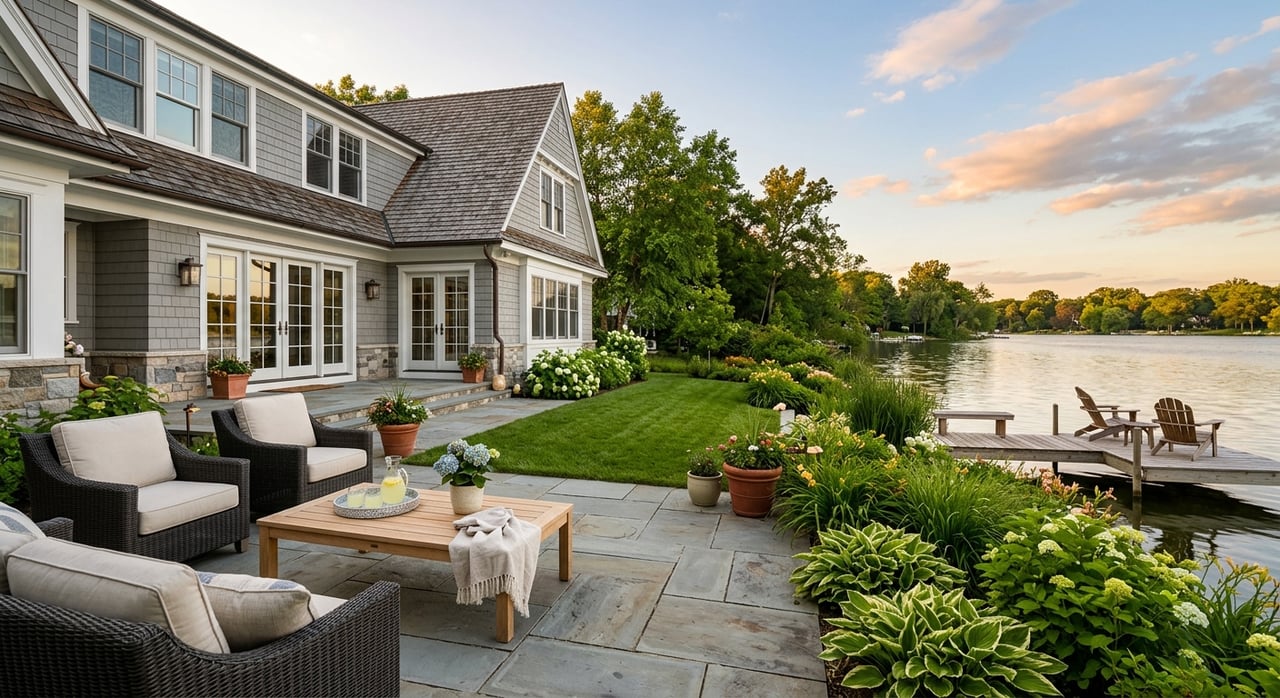
If you are drawn to the idea of waking up to water views in Lake Zurich, you are not alone. Lakefront living can feel peaceful, scenic, and special, but it also comes with rules, seasonal routines, and upkeep that many buyers do not fully see at first. If you are considering a lakefront home here, understanding how the lake is used and regulated can help you make a smarter, more confident move. Let’s dive in.
Lake Zurich Lakefront Living at a Glance
Lake Zurich offers a true waterfront setting, but it is not the same as an open-access vacation lake. According to Lake County’s Lake Zurich lake report, the lake covers 232 acres, has about 2.82 miles of shoreline, and reaches a maximum depth of 32.09 feet.
The village also supports an active park system, with 247 acres across 32 parks. For many residents, lake life centers on Paulus Park, which includes shoreline restoration efforts, a fishing pier, and a nonmotorized canoe and kayak launch, as noted in the same county report.
Recreation Access Is More Limited Than You Might Expect
One of the biggest things to know is that lake access is real, but it is not fully open in every way buyers may assume. The village states there is no public boat launch, which makes Lake Zurich a different experience from lakes where motorized boating access is widely available.
Residents can launch nonmotorized boats from Paulus Park, and fishing is allowed under Illinois Department of Natural Resources rules with a required license. That means your day-to-day lake use may be more about paddling, shoreline enjoyment, and quiet water access than power boating.
Seasonal Lake Life Shapes Daily Routine
Lakefront living in Lake Zurich is closely tied to the seasons. The village’s Spring and Summer 2026 brochure notes that Paulus Park Beach operates on a summer schedule, and hours can change based on weather, attendance, and lake or shore conditions.
That same brochure says Paulus Park includes 400 feet of sandy beachfront. It also notes that Breezewald opens May 26 and closes August 2, which gives you a sense of how strongly the public lake experience follows the warmer months.
Resident-only policies also affect everyday use. According to the village brochure, Breezewald Beach is free to residents, proof of residency is required for each visit, non-residents need a beach pass, and guest passes are not valid.
Nonmotorized Watercraft Have Their Own Rules
If kayaking, canoeing, or paddleboarding is part of your vision, Lake Zurich can be a strong fit. Still, it helps to know the schedule and restrictions before you buy.
The village’s nonmotorized watercraft rules say residents may use the entire lake before 9 a.m. After 9 a.m., nonmotorized watercraft must remain inside the no-wake zone that circles the lake.
The village also offers resident-only dry storage and seasonal permits. For some buyers, that structure feels organized and convenient. For others, it is a reminder that waterfront living here works best when you are comfortable with a more managed lake environment.
Lakefront Properties Come With Added Regulation
A beautiful waterfront lot can also bring more oversight than a typical suburban property. The village’s zoning code and map explain that Lake Zurich is intended to be a community composed principally of well-maintained single-family residential neighborhoods, and lakefront areas may fall within a Lake Protection District (LP) overlay.
This matters because the LP overlay adds rules on top of the base zoning district. If there is any conflict, the LP regulations control.
For buyers, that means you should not assume you can make the same exterior changes you might make on another lot in town. Waterfront parcels often require more review, especially when a project could affect the shoreline, drainage, or lake character.
Piers, Shorelines, and Exterior Changes Matter
The practical side of lakefront ownership often comes down to improvements already on the property and what you may want to change later. In the Lake Protection District regulations, piers are limited to one per 75 feet of frontage, pier decks are capped at 200 square feet, widths are limited to 4 feet, and construction must address erosion protection.
The same regulations note that exterior appearance review may be required for projects needing a building permit. If you are thinking about a dock update, retaining wall work, drainage corrections, deck changes, or shoreline stabilization, these details can directly affect cost, timing, and feasibility.
The village’s Community Development Department handles zoning, permit review, inspections, and code enforcement. The village also states that work completed without a permit is against the law, so it is wise to verify permit requirements early in your search and again during due diligence.
Shoreline Maintenance Is Part of Ownership
Waterfront property often looks simple from the street, but ownership can be more hands-on than buyers expect. Lake County’s 2020 lake report found that 80% of shoreline showed no erosion, which is encouraging, but it also found that 53.5% of the assessed shoreland buffer was rated poor.
That suggests vegetation, bank stabilization, and shoreline condition can be meaningful maintenance issues over time. In other words, the value of a waterfront lot is not only in the view. It also depends on how well the land and shoreline have been maintained and whether future work may be needed.
Water Quality Is Worth Understanding
If lakefront living is part of your long-term plan, water quality should be part of your review. The county report says Lake Zurich’s water quality was good compared with county medians in 2020, but the lake was also classified as eutrophic, and algae blooms reduced water clarity.
That does not mean the lake lacks appeal. It does mean that buyers should see the lake as a natural system with changing conditions, rather than expecting crystal-clear water at all times.
The same report notes lake levels fluctuated by as much as 1.09 feet during the May-to-September season. It also states that winter road salt adds chloride to the watershed, which can stress aquatic systems.
What Buyers Should Check Before Making an Offer
When you tour a lakefront home in Lake Zurich, the right questions can save you time and stress later. A scenic lot may be low-maintenance, or it may require active planning and regular upkeep.
Here are a few smart points to verify early:
- Whether the property is in the Lake Protection District overlay
- Whether existing piers, retaining walls, decks, or shoreline improvements appear to be lawful and properly approved
- What permits may be required for any planned exterior work
- What kind of erosion protection or shoreline stabilization may be needed
- How access to beaches, nonmotorized launches, and storage works for your household’s lifestyle
- Whether the property fits the kind of lake use you actually want, especially if you imagined broader boating access
Is Lakefront Living in Lake Zurich Right for You?
For the right buyer, Lake Zurich offers something special: scenic views, a strong sense of place, and genuine access to paddling, fishing, and shoreline recreation. At the same time, it is best understood as a seasonal, regulated, maintenance-aware lake market, not a wide-open waterfront setting.
That does not lessen its appeal. It simply means that the best buying decisions happen when your expectations match the reality of the property, the regulations, and the lake’s rhythms.
If you want help evaluating whether a Lake Zurich lakefront home fits your goals and lifestyle, Gina Shad can help you look beyond the view and make a well-informed move.
FAQs
What is lakefront living like in Lake Zurich?
- Lakefront living in Lake Zurich offers scenic views and access to fishing, beaches, and nonmotorized boating, but it is also seasonal, regulated, and more maintenance-aware than some buyers expect.
Are there boating restrictions on Lake Zurich?
- Yes. The village says there is no public boat launch, residents can launch nonmotorized boats from Paulus Park, and nonmotorized watercraft may use the whole lake only before 9 a.m., after which they must stay within the no-wake zone.
Do Lake Zurich lakefront homes have extra zoning rules?
- Yes. Some lakefront properties fall within the Lake Protection District overlay, which adds rules for items like piers, erosion protection, and certain exterior improvements.
What should buyers inspect on a Lake Zurich shoreline property?
- Buyers should check shoreline condition, existing improvements such as piers or retaining walls, possible permit history, maintenance needs, and whether future projects may require village review or approval.
Is Lake Zurich good for kayaking and canoeing?
- Yes. The village supports nonmotorized water access, including a canoe and kayak launch at Paulus Park, and also offers resident-only dry storage and seasonal permits.
Why does due diligence matter for Lake Zurich waterfront homes?
- Due diligence matters because a lakefront property may involve added zoning controls, shoreline maintenance, water-quality considerations, and permit requirements that can affect how you use and improve the property.