If you are drawn to Lake Zurich, one big question can shape your whole home search: do you want to live on the water, or just enjoy being near it? Both options can offer a great lifestyle, but they feel very different in day-to-day living, upkeep, and price. If you are trying to decide which path fits your routine, budget, and long-term plans, this guide will help you weigh the tradeoffs clearly. Let’s dive in.
How Lake Zurich Is Set Up
Lake Zurich is a compact suburban community about 37 miles northwest of Chicago and roughly 45 minutes from O’Hare. The village reports a population of about 20,000 residents, so you get a smaller-town feel with a strong local identity.
The lake is central to how the village is organized. Lake Zurich’s comprehensive plan identifies a distinct Lake Residential Area around the perimeter of the lake, where homes may have direct access to the water, while other parts of the community offer a broader mix of lot sizes, home styles, and neighborhood layouts.
That distinction matters when you start touring homes. In Lake Zurich, “close to the lake” and “on the lake” are not the same thing, and the difference can affect both lifestyle and value.
Lakefront Living in Lake Zurich
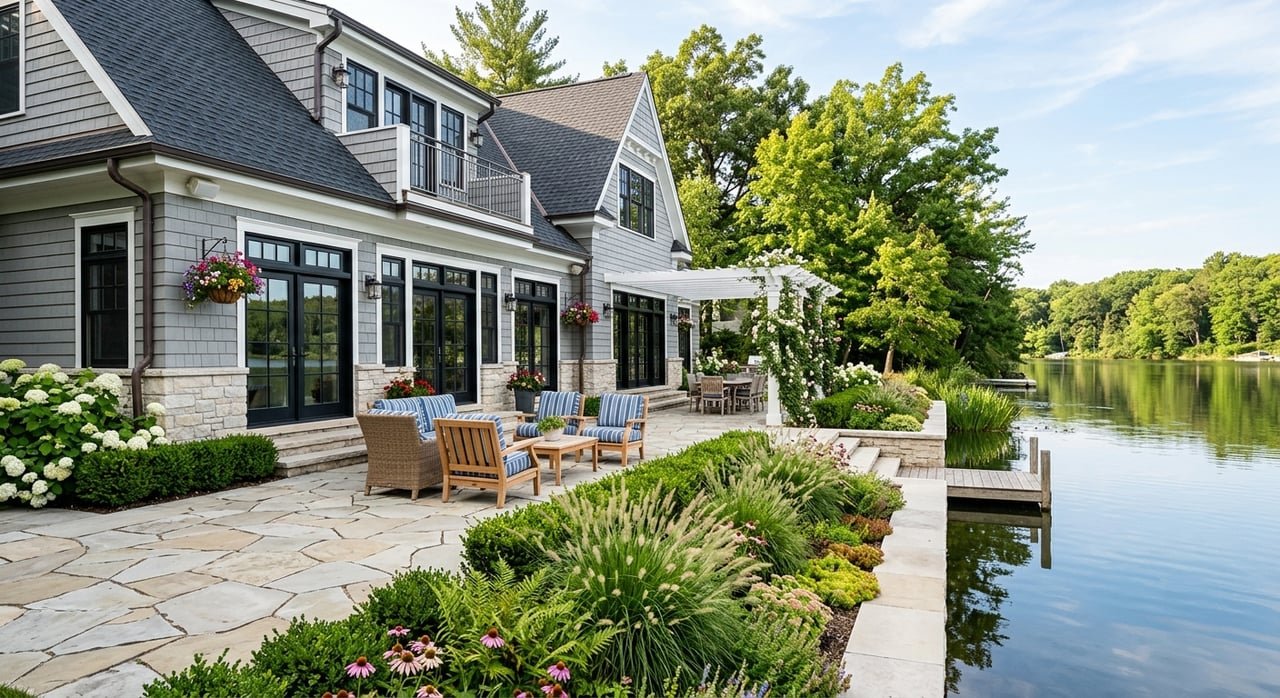
If you picture stepping outside to water views, shoreline access, or a private dock setup, lakefront living may be what you have in mind. In Lake Zurich, that lifestyle can feel more like a daily retreat than a standard suburban routine.
Still, waterfront living here is not one-size-fits-all. Some homes have true shoreline frontage, some offer deeded dock rights, and others may include community beach access or a shared arrangement rather than direct private frontage.
What You Are Really Buying
When you buy lakefront or lake-access property, you are often paying for more than the structure itself. You may be buying shoreline length, direct access, dock rights, lot size, or the ability to use the lake in a certain way.
That matters because the premium is not uniform. A detached home with private shoreline, a sandy beach area, and a dock will offer a very different experience from a townhome with deeded dock rights and HOA dues.
Everyday Lake Use Has Rules
One of the biggest practical points for buyers is that lake use is regulated. The village allows fishing on Lake Zurich, but non-motorized craft access during boating season is permit-based and resident-only.
There are also operating rules. Watercraft must remain in the no-wake area, users must wear a personal flotation device, and boats must carry a whistle.
Beach access is regulated too. Paulus Park uses passes or daily fees, while Breezewald Park is open to residents with proof of residency or pass holders. At Paulus Park pier, only non-motorized craft may dock.
For many buyers, these rules are not a drawback. They simply mean you should understand exactly what kind of access a property offers rather than assuming every lake-adjacent home comes with the same rights.
Inland Living in Lake Zurich
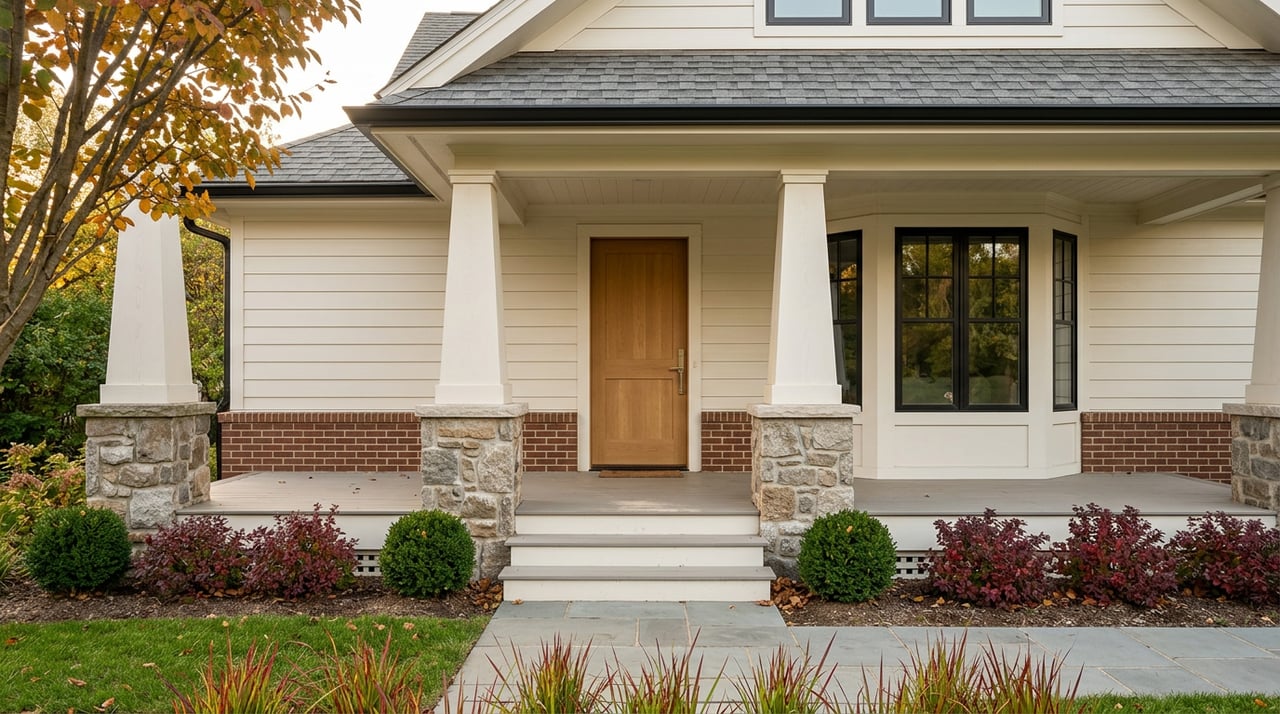
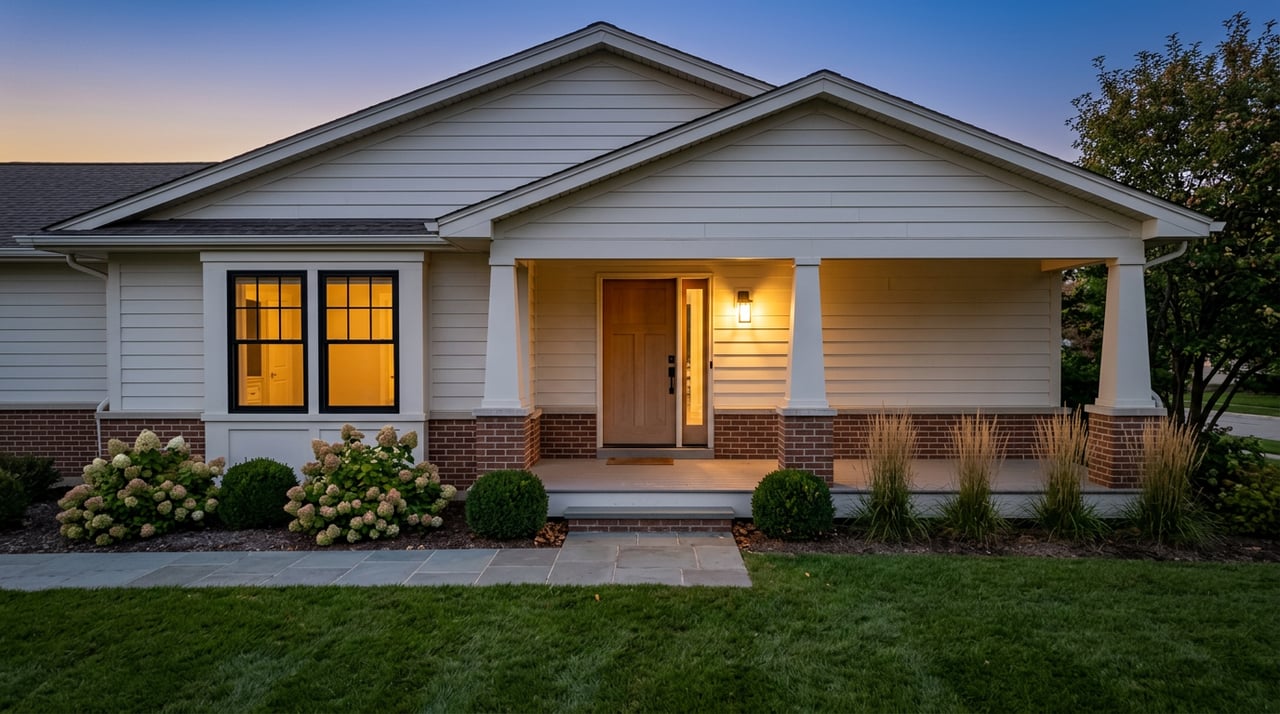
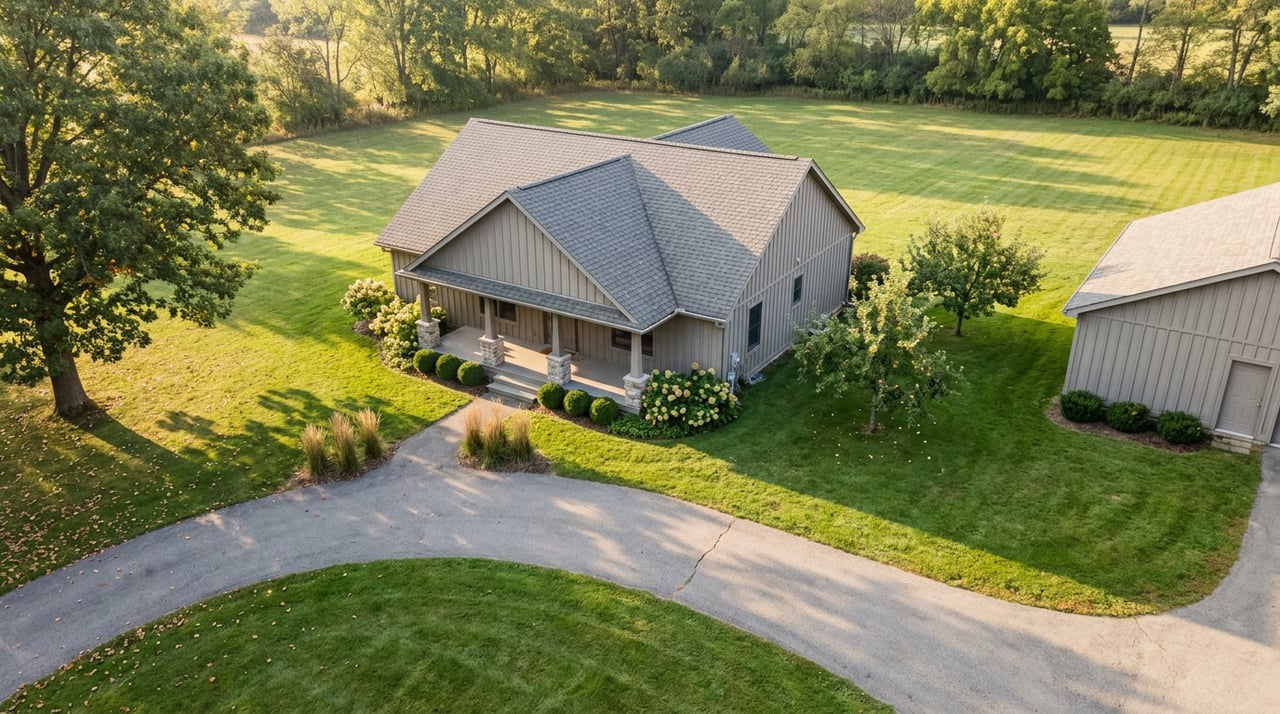
If you love Lake Zurich but do not need to live directly on the shoreline, inland living can offer more flexibility. You may still be close to the lake while gaining a wider range of home types, lot patterns, and price points.
This can be especially appealing if your priorities include interior space, yard size, easier upkeep, or neighborhood variety. Inland living also gives you access to the broader recreation network that makes Lake Zurich attractive beyond the water itself.
More Variety in Home Styles
According to the village’s comprehensive plan, inland districts across Lake Zurich offer a broad mix of residential options. North Central includes everything from traditional quarter-acre suburban lots to two-acre estate lots.
East Main Street includes single-family homes, duplexes, apartments, and home-based offices. West Old Rand includes condominiums and detached single-family homes, while West Side mixes single-family detached homes with low-density multifamily housing.
That range gives buyers more ways to match a home to their budget and lifestyle. If you want options beyond waterfront inventory, inland neighborhoods usually provide a deeper pool to consider.
Recreation Is Not Limited to the Lake
Living inland does not mean giving up outdoor amenities. The village reports about 245 to 247 acres of park property across 32 parks, and the Park and Recreation Department manages programs and facilities throughout the community.
In practical terms, that means inland buyers can still enjoy parks, ballfields, open space, and community programming without relying on direct lake access. For many households, that creates a strong balance between convenience, recreation, and value.
Price Differences to Expect
Lake Zurich’s market has been firm. Redfin reported a March 2026 median sale price of $495,000, up 17.9% year over year, with homes taking about 42 days to sell. Zillow reported an average home value of $496,284, up 7.1% over the past year, with homes going pending in around 5 days.
That backdrop matters because buyers are making this lakefront-versus-inland decision in a competitive market. In other words, the right fit is not only about price. It is also about what you want your money to buy.
Current Waterfront Inventory Is Small
The waterfront segment in Lake Zurich is limited and highly varied. Redfin currently shows 8 waterfront homes, with a median listing price of $549,000 and inventory ranging from $429,900 to $1.79 million.
That is a wide spread, and it reflects how different these properties can be. One listing may offer private shoreline and a dock, while another may be part of a shared community structure with HOA dues and different access features.
Inland Homes Can Still Command Strong Prices
It is important not to think of inland homes as the “budget” choice by default. Realtor.com neighborhood data shows median listing prices of $724,900 in North Central Lake Zurich, $527,450 in West Side Lake Zurich, and $485,000 in Southeast Lake Zurich.
That tells you the real comparison is more nuanced. The purchase price may reflect neighborhood character, lot size, housing type, and scarcity, not just distance from the water.
Maintenance and Ownership Considerations
Lifestyle is only part of the decision. The ownership experience can also look quite different depending on whether you buy on the water or inland.
Lakefront ownership often brings more water-specific upkeep. Even if the home itself is modest in size, you may need to think about shoreline care, dock or pier maintenance, and exterior materials that face more exposure to water and weather.
Some lake-oriented properties may also involve HOA dues or shared rules. That means you are not just choosing a location. You are also choosing a management structure and a level of responsibility.
Flood Risk Should Be Reviewed Early
If you are buying near the water, flood risk deserves an early review. FEMA notes that most homeowners insurance does not cover flood damage, and flood insurance is required for most federally backed loans in Special Flood Hazard Areas.
A smart next step is to check the parcel’s flood map and ask your lender whether flood coverage will be required. That simple step can help you understand carrying costs before you get too far into the process.
Which Lifestyle Fits You Best?
For some buyers, lakefront living is worth the narrower inventory and added upkeep because it creates a vacation-like routine at home. If direct water access, shoreline views, and a more specialized property type are at the top of your list, that premium may make sense.
For others, inland living offers the better overall fit. You may prefer broader home choices, more predictable maintenance, and easier access to the village’s larger network of parks and daily amenities while still enjoying everything that makes Lake Zurich appealing.
A helpful way to think about it is this: lakefront living is usually a more specific lifestyle purchase, while inland living often gives you more flexibility. Neither is automatically better. The right choice depends on how you want to live every day.
If you are comparing homes in Lake Zurich and want a clear, local perspective on value, access, and resale potential, Gina Shad can help you find the right fit for your goals.
FAQs
What is the difference between lakefront and inland living in Lake Zurich?
- Lakefront living typically means direct shoreline, deeded dock rights, or some form of water access, while inland living usually offers more housing variety and access to the village’s broader park system without waterfront upkeep.
Can inland homeowners still enjoy outdoor amenities in Lake Zurich?
- Yes. Lake Zurich reports about 245 to 247 acres of park property across 32 parks, giving inland residents access to parks, open space, ballfields, and community recreation.
Are all Lake Zurich homes near the lake considered waterfront?
- No. Some homes have direct shoreline, some have deeded or shared access rights, and some are simply close to the lake without private water access.
What should buyers know about using Lake Zurich for recreation?
- The village allows fishing, and non-motorized craft access during boating season is permit-based and resident-only, with rules about no-wake use, safety gear, and approved docking.
Is lakefront living in Lake Zurich always more expensive?
- Not always in a simple way. Waterfront homes often carry a premium tied to shoreline, dock rights, lot size, and property type, but inland neighborhoods can also have strong listing prices depending on location and housing style.
Should buyers near Lake Zurich check flood risk before buying?
- Yes. Buyers should review the specific parcel’s flood map early and ask their lender whether flood insurance will be required, since standard homeowners insurance often does not cover flood damage.