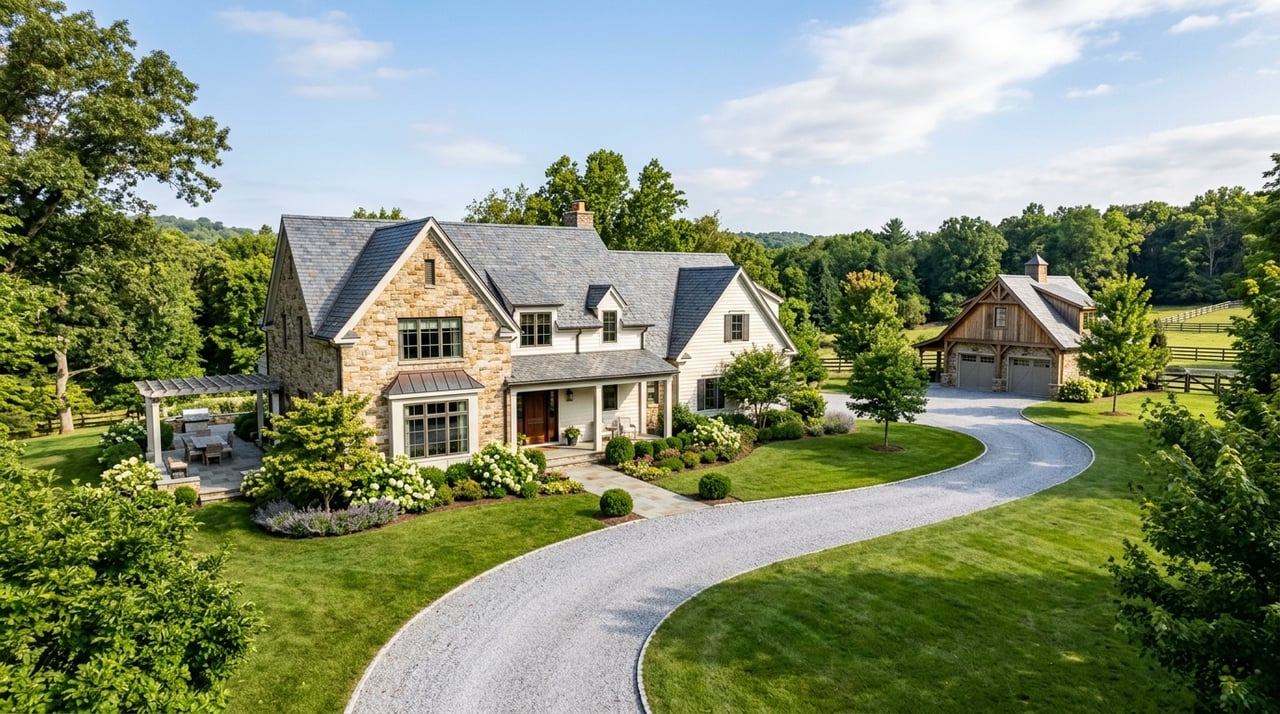
Looking for more space without giving up everyday convenience? That is exactly why many buyers consider buying a home on acreage in Wadsworth. You get a rural setting, larger lots, and room for outbuildings or hobby uses, but you are not cut off from the rest of Lake County. If you are weighing privacy, upkeep, and local rules, this guide will help you know what to look for before you buy. Let’s dive in.
Why Wadsworth appeals to acreage buyers
Wadsworth calls itself the Village of Country Living, and that description fits. According to the Village of Wadsworth, the community has a population of around 3,500 and a one-acre minimum for residential lots. That gives the area a distinctly rural feel compared with many nearby suburban communities.
At the same time, Wadsworth is not truly remote. The village sits near the northern end of I-94 by the Wisconsin state line, which can make commuting or regional travel more manageable. For many buyers, that mix of open space and access is a big part of the draw.
What acreage living really means
Buying a home on acreage often sounds simple: more land, more privacy, more flexibility. In reality, acreage ownership usually comes with more systems to manage, more maintenance, and more questions to answer during the buying process.
In Wadsworth, that can mean checking lot use, verifying outbuilding rules, understanding private well and septic systems, and reviewing drainage conditions. A property may look ideal at first glance, but the details matter when you plan to add a barn, keep hens, or install a larger shed or garage.
Understand Wadsworth lot and outbuilding rules
If you are shopping for acreage in Wadsworth, one of the first questions to ask is how the land can actually be used. Local code is specific about detached structures, and those rules can directly affect your plans.
How many accessory buildings are allowed?
Under the village code, accessory buildings can include stables, barns, gazebos, private greenhouses, sheds, and domestic storage buildings. However, a residential lot may have no more than two detached accessory structures, according to the Wadsworth municipal code.
That means you should not assume a one-acre or larger lot automatically allows unlimited flexibility. If a property already has a detached garage and a shed, your future plans for another barn or workshop may be limited.
What types of structures are permitted?
The village says accessory buildings must be permanent and built with masonry, wood frame, or post frame materials. They also must be compatible with the home. Metal garages, open-air carports, and fabric or plastic enclosed buildings are not allowed, except for greenhouses.
This is especially important if you are comparing properties based on future utility rather than current condition. A lot may seem perfect for storage or hobby use, but your preferred building style might not meet code.
Where can outbuildings go?
Placement matters just as much as the number of structures. The code states that accessory structures cannot be located in required side-yard or rear-yard setbacks or within easements, and they must be at least six feet from other structures.
In general, they also cannot be placed between the house and the front building line unless the Village Board approves it. So if you are picturing a front-facing detached garage or a large building visible from the road, that idea may require extra review.
Permits can affect your plans
Acreage buyers often focus on the house first and the improvements later. In Wadsworth, it is smart to think about both at the same time because permits can come into play for a wide range of projects.
The village says permits are required for common improvements such as garages, sheds, driveways, fences, septic systems, patios, and tree removal. It also notes that if work starts without a permit, the fee can be charged at double the normal amount, as explained on the village permit information page.
Detached accessory structures of 300 square feet or more need driveway access and specific electrical features. On top of that, projects disturbing more than 5,000 square feet may also require a Lake County Stormwater Management Commission watershed development permit. If you are buying with plans to expand or improve the property, this is a key due diligence item.
Check hobby-farm and animal rules early
Some buyers are drawn to acreage because they want a more flexible lifestyle. Maybe you want a garden, hens, or space that supports a hobby-farm feel. In Wadsworth, those uses may be possible, but you should confirm the rules before you fall in love with a property.
According to the village code, hens are allowed on single-family residential properties with at least 6,000 square feet, and the number allowed depends on lot size. Roosters are not allowed on properties smaller than five acres, and properties of 200,000 square feet or more may keep farm animals subject to the code.
The takeaway is simple: acreage can create options, but not every parcel supports the same use. If animals or agricultural features are part of your long-term vision, verify the code early and make sure the lot size and current improvements align with that plan.
Ask about well and septic systems
Many homes on acreage rely on private well and septic systems. If that is new to you, do not worry, but do make it part of your home tour checklist.
The Lake County Health Department well and septic evaluation program offers evaluations often used during sales or refinancing. The process includes a records search and on-site inspection, and it may include water sampling for coliform bacteria and nitrates. The county also notes that the report is not a guarantee of future performance.
What to ask the seller
When a home has a private well or septic system, ask for:
- The age of the well and septic system
- The last service date
- The most recent inspection report
- Any recent water-quality test results
- Any known repairs or ongoing issues
These records can help you understand whether the system has been maintained and whether near-term costs might be ahead.
What maintenance usually looks like
A septic system is not something you want to ignore after closing. Lake County recommends pumping or inspecting a septic system about every three years. The county also advises owners to divert surface water away from the drain field, avoid driving or parking on it, and keep tree and shrub roots away from drain-field pipes, as outlined in its septic system maintenance guidance.
For buyers moving from a subdivision lot to acreage, this is one of the biggest ownership differences to understand upfront.
Do not skip drainage and flood review
On larger parcels, drainage can have a major effect on daily use and long-term costs. Even a beautiful lot can come with low spots, drainage flow issues, or floodplain concerns that deserve a closer look.
Lake County’s flood information resources direct residents to FEMA maps, floodplain permit information, flood safety materials, and elevation certificate guidance. The Illinois DNR also notes through FEMA resources that standard homeowners insurance does not cover flood damage.
Wadsworth’s newsletter encourages homeowners to inspect swales, culverts, and ditches so debris does not block drainage. For buyers, that means paying attention to the condition of those features during showings and asking whether water tends to collect anywhere on the property.
Smart questions to ask on a showing
Acreage showings should go beyond the usual conversation about finishes and room sizes. You want to understand how the property functions today and what it could support in the future.
Here are some of the most useful questions to ask when touring a Wadsworth acreage property:
- Can you review a current Plat of Survey to confirm setbacks, easements, and existing structures?
- How many detached accessory buildings are already on the lot?
- Is there room for another garage, barn, or shed under current setback rules?
- Would any future structure need Village Board approval because of placement?
- Is the home served by private well, septic, or both?
- When were the well and septic systems last inspected or serviced?
- Has the owner had any drainage, swale, culvert, or floodplain issues?
- Would future site work or a long driveway improvement trigger additional watershed permitting?
These questions can save you time, protect your budget, and help you compare properties more clearly.
Privacy versus convenience in Wadsworth
Every acreage purchase involves tradeoffs. In Wadsworth, the big one is often privacy versus convenience.
You may gain more separation from neighbors, more usable land, and a quieter setting near farmland and forest preserve holdings. You may also take on more routine maintenance, more system oversight, and more planning if you want to change or expand the property. The right fit depends on how you want to live and how much hands-on property care feels realistic for you.
How to buy with confidence
The best acreage purchases happen when you match the property to your actual goals. If you want storage, animal flexibility, future outbuildings, or simple privacy, each goal points to different due diligence questions.
That is where local guidance matters. When you understand Wadsworth’s lot rules, permit process, and land-related considerations before you write an offer, you can move forward with much more confidence. If you are exploring homes on acreage in Lake County, Gina Shad can help you evaluate the details that matter most and find a property that fits the way you want to live.
FAQs
What does buying a home on acreage in Wadsworth usually mean?
- In Wadsworth, acreage living usually means larger residential lots with a rural feel, possible access to outbuildings or hobby uses, and closer attention to wells, septic systems, drainage, and local permit rules.
How many detached outbuildings are allowed on a Wadsworth residential lot?
- Wadsworth code says a residential lot may have no more than two detached accessory structures, though the specific placement and type of structure also have to meet local rules.
Are barns, sheds, and detached garages allowed in Wadsworth?
- Yes, certain accessory buildings such as barns, sheds, stables, gazebos, private greenhouses, and storage buildings may be allowed, but they must meet code requirements for materials, setbacks, and location on the lot.
Do Wadsworth acreage homes often have well and septic systems?
- Many do, so you should ask for the age, service history, inspection records, and any recent water-quality testing before moving forward.
Should buyers check floodplain and drainage issues on acreage in Wadsworth?
- Yes, buyers should review floodplain information, ask about drainage history, and look at features like swales, culverts, and ditches because larger lots can have more complex water movement.
Can you keep chickens or farm animals on a Wadsworth property?
- Possibly. Wadsworth allows hens on qualifying single-family residential properties, restricts roosters on properties smaller than five acres, and permits farm animals on larger properties subject to code requirements.