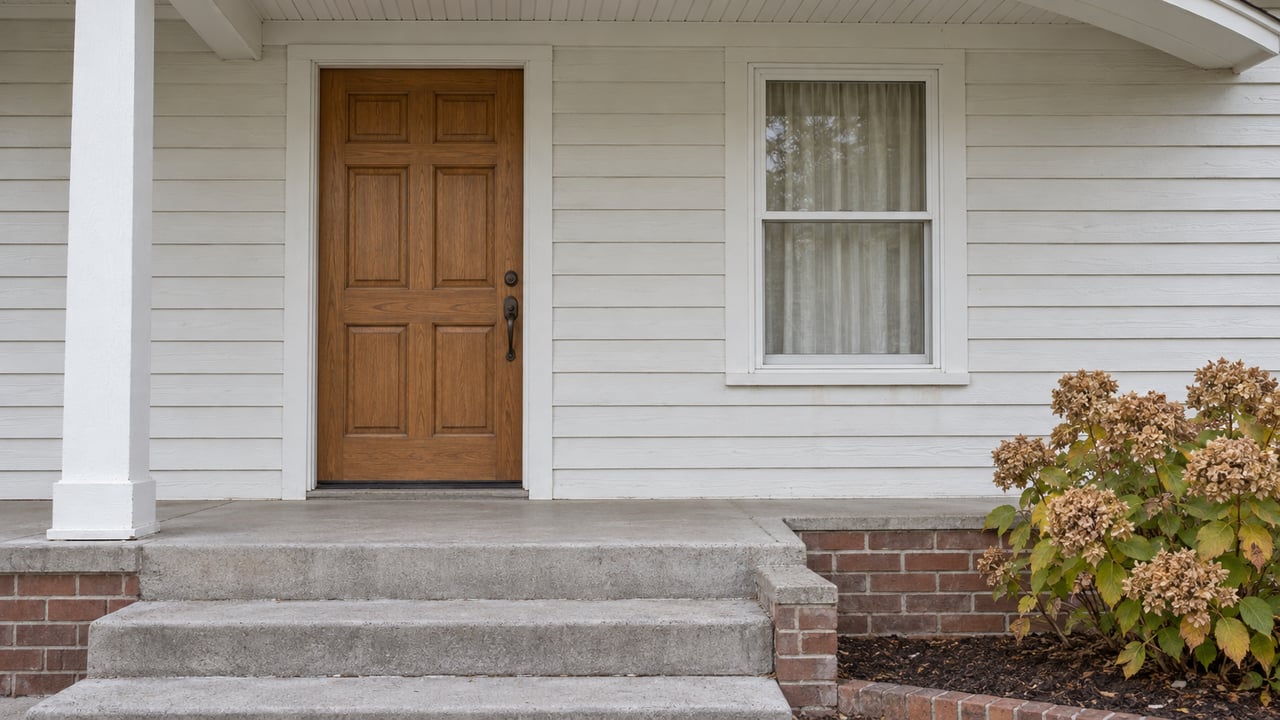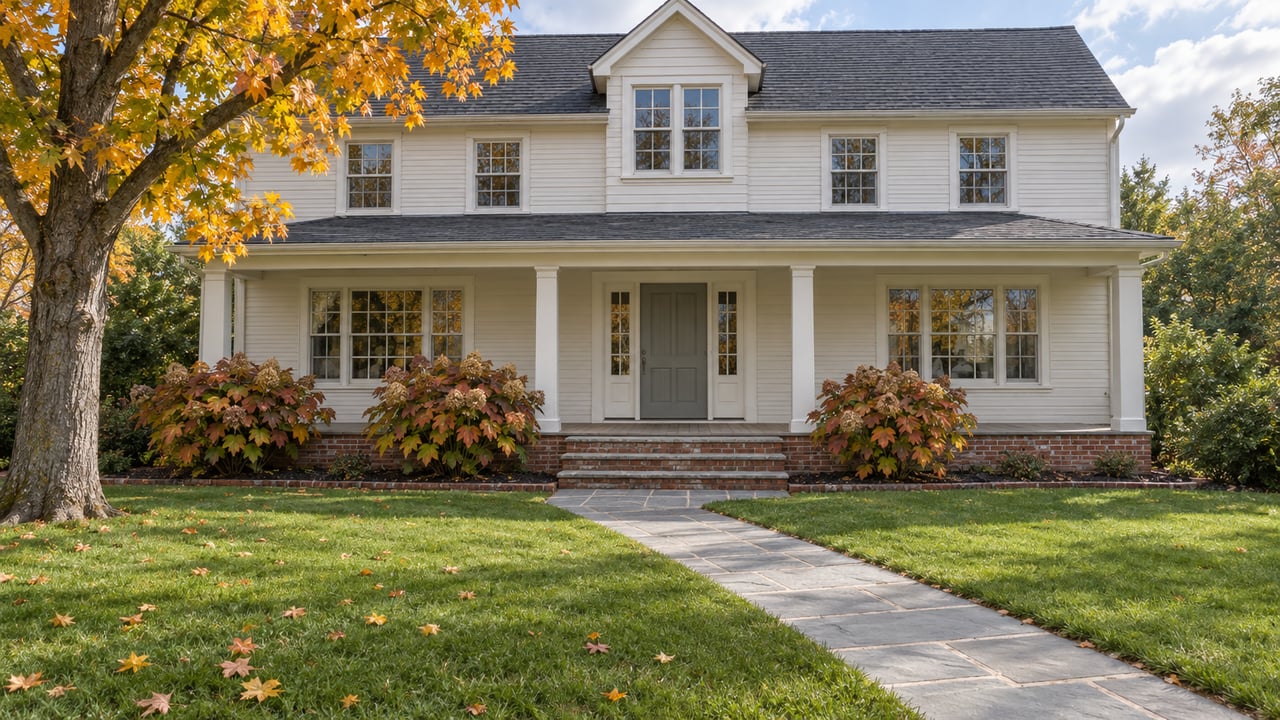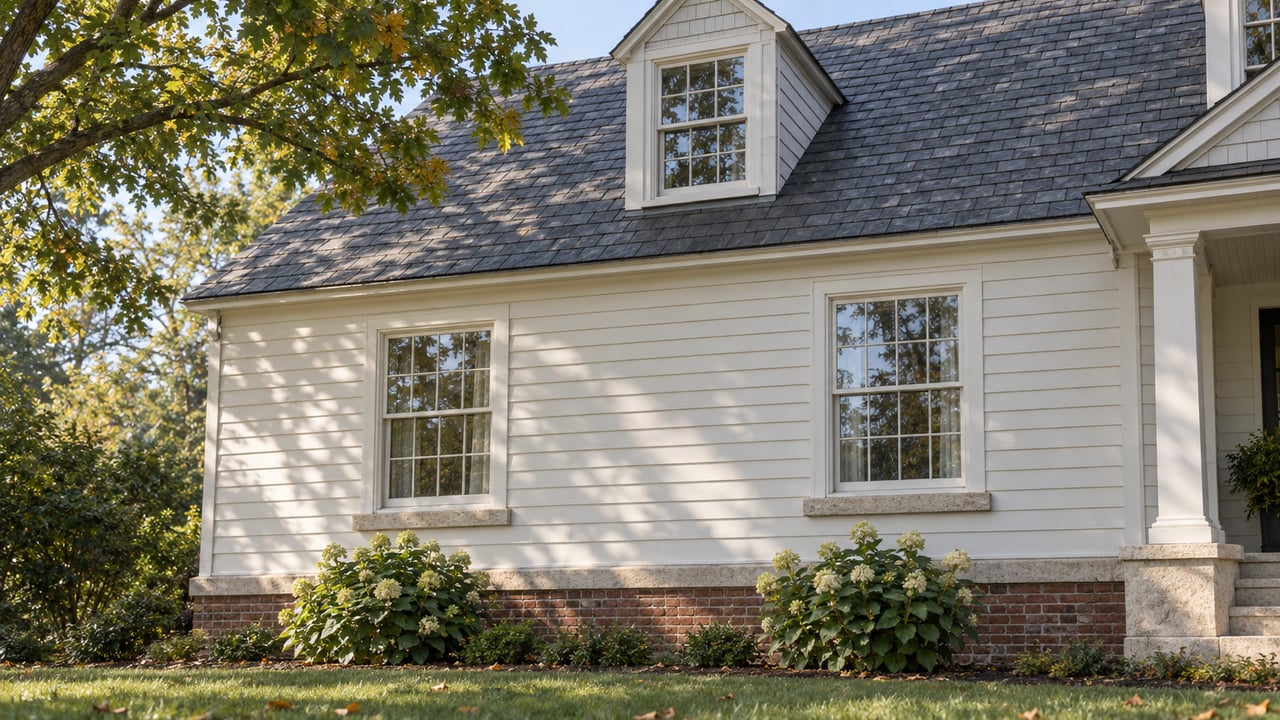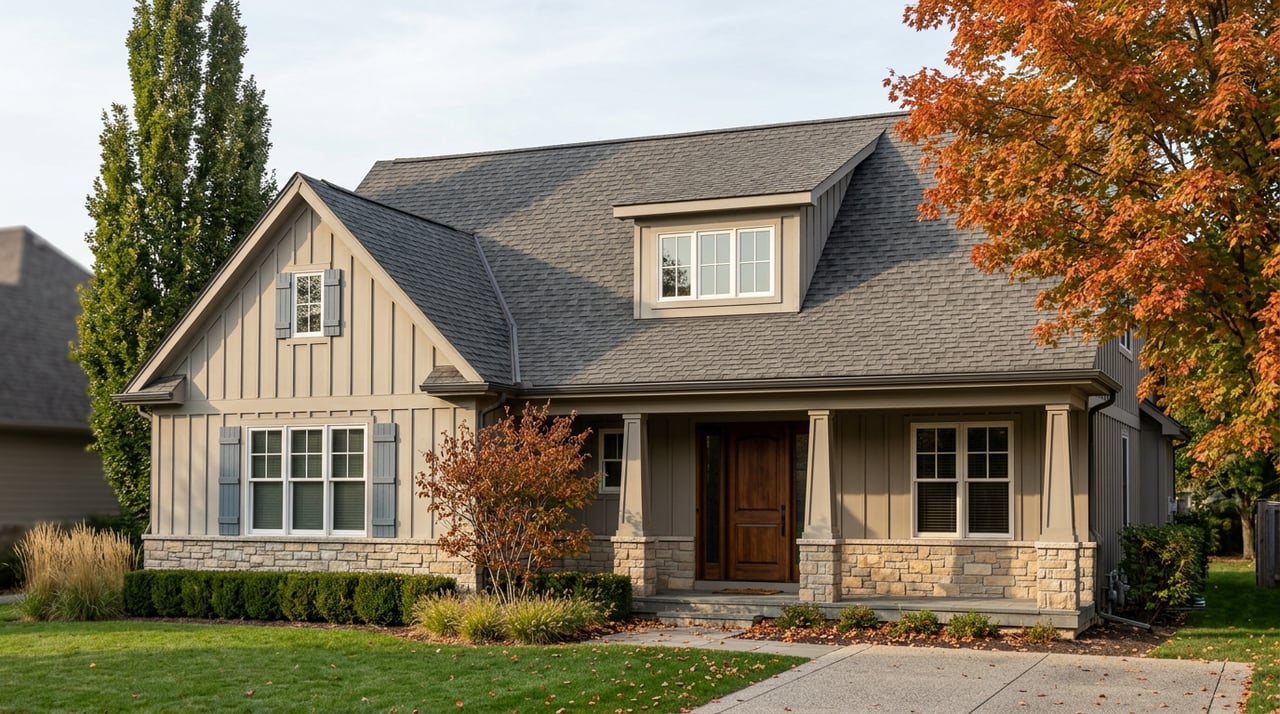
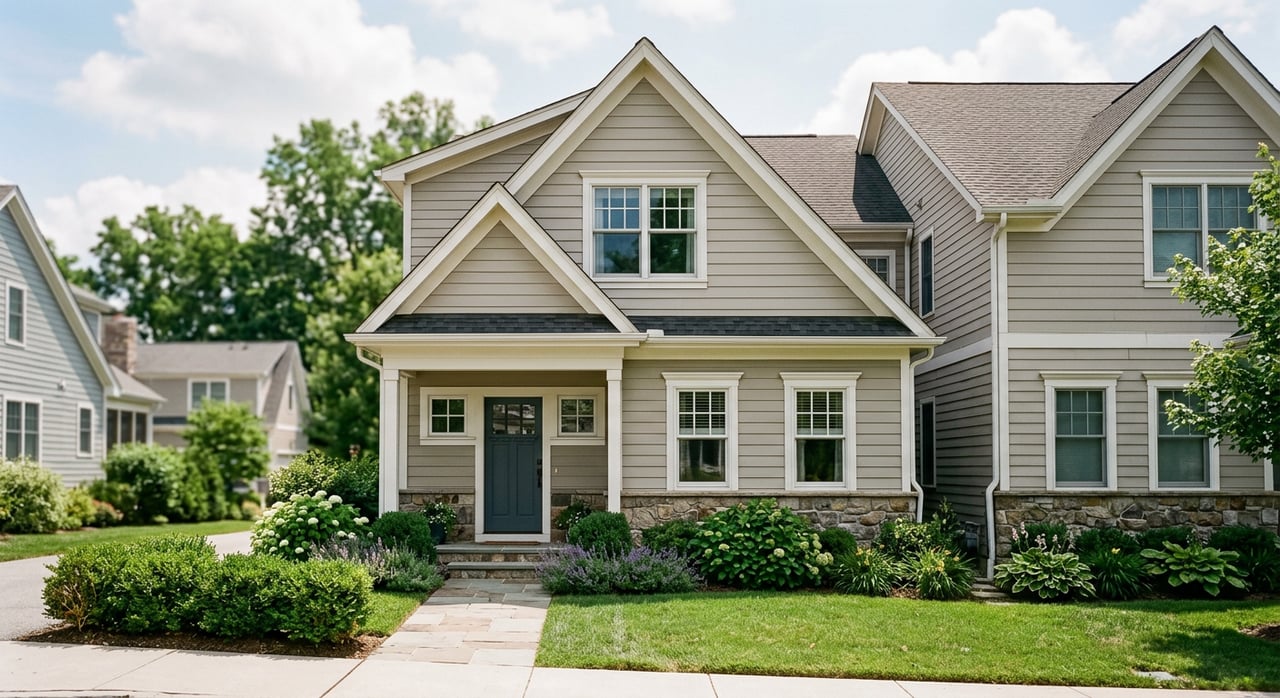
Choosing between a townhome and a single-family house in Gurnee can feel like two good options pulling you in different directions. You want the right space, manageable monthly costs, and a smart long-term move. This guide breaks down prices, what you actually pay each month, lifestyle tradeoffs, and resale signals so you can choose with confidence. Let’s dive in.
Gurnee market snapshot
As of February 2026, Gurnee’s median sale price sits around the low-to-mid $300Ks, with typical days on market near 60. Townhomes often list from roughly $225K to $400K, while many single-family homes are commonly in the $300K to $500K range. Median and list prices vary by source and date, so use these as directional ranges when you compare options.
Two takeaways to keep in mind:
- Inventory can be tight by neighborhood and price band. A well-priced home in your target area may attract multiple offers.
- Sale-to-list ratios trend close to asking, which means pricing and preparation matter.
What fits your lifestyle
Space and privacy
- Single-family homes typically offer more interior square footage, a private yard, and greater privacy from neighbors. You can add features like sheds or fencing subject to local rules.
- Townhomes usually provide efficient layouts, smaller private outdoor spaces like patios, and shared amenities. Many include a 1 or 2-car garage.
Outdoor living and parking
- If you value a larger yard for gardening, pets, or play areas, a detached house likely suits you.
- If you prefer low-maintenance living, a townhome can deliver with exterior care handled by the association. Some communities include pools or clubhouses.
Daily routines and upkeep
- Single-family homes mean you handle exterior maintenance, snow removal, and roof or siding when needed.
- Townhome associations often cover exterior care, which can free your weekends. You will still manage interior repairs and any items not covered by the association.
What it really costs each month
Comparing a townhome to a house starts with the full monthly picture, not just price. Build your budget with these line items.
Property taxes
Lake County’s effective property tax burden runs above the national average. Published analyses place it in roughly a 2 percent to 2.8 percent effective rate range depending on methodology and period. Review the county’s current data when you estimate your specific tax amount, since this line can drive a meaningful share of your monthly cost. For context on high-tax counties, see the latest analysis from ATTOM Data. ATTOM’s county tax rate overview
HOA dues for townhomes
Monthly association fees in Gurnee vary. You might see a wide spread from about $100 to $550 or more per month, with many communities falling in the $200 to $450 band when amenities like exterior maintenance, snow removal, and pools are included. What you get for that fee depends on the community’s governing documents and budget.
- Typical coverage includes common-area care, exterior or roof reserves, parking areas, and master insurance for shared elements. Some communities include trash, snow, or water. Always verify the specifics in the CC&Rs and budget. What HOA fees usually cover
Insurance differences
- Townhomes and condos usually require an HO-6 policy that covers the interior space, personal property, and liability. The association’s master policy typically insures shared areas and the building exterior.
- Single-family homes need a full homeowners policy (often HO-3) that covers the structure, outbuildings, and liability. HO-6 premiums can be lower than HO-3 because the association covers the exterior, although the exact cost depends on coverage and deductibles. HO-6 vs HO-3 overview
Maintenance and reserves
- A common rule of thumb for single-family homes is to budget 1 to 2 percent of the home’s value per year for maintenance and repairs, with older homes possibly requiring more.
- Townhome owners may spend less on exterior items if the association handles them, but you should still set aside funds for interior upkeep and any special assessments. Maintenance budget guidance
Your quick monthly worksheet
For an apples-to-apples comparison, total:
- Principal and interest
- Property taxes (use a realistic estimate for Lake County)
- Homeowners insurance (HO-3 for houses, HO-6 for townhomes)
- HOA dues if attached housing
- Maintenance reserve line item
Run the numbers for a couple of specific homes you like. A townhome with strong amenities might cost less upfront but carry a higher monthly HOA. A detached home with no HOA may cost more in maintenance years or after larger exterior projects.
Neighborhood and community options
You will find attached-home clusters across Gurnee that frequently include amenities and exterior care. Areas that often come up in local searches include Cambridge at Heatherridge, Pembrook, Heather Ridge and Stonebrook, Wildwood on Gages Lake, and Hunt Club Farms. These communities vary by age, price point, and amenity mix. If a pool, clubhouse, or trails matter, note them in your search. If a larger private yard is a priority, focus on detached neighborhoods with lot sizes that match your plans.
Commute and daily logistics
Gurnee is primarily car dependent. Major routes I-94 and US-41 connect you to Chicago and Milwaukee. If you plan to use Metra, many residents drive to nearby stations such as Waukegan. When commute time is a top factor, weigh a home’s proximity to your preferred corridor or station parking as part of the decision. If you need a quick daily drive and flexible parking at home, a detached property with a private driveway may feel easier. If you mostly work from home and value low-maintenance living, a townhome near services can be a great fit.
Schools and resale signals
Much of eastern Gurnee is served by Gurnee School District 56 for elementary and middle, and Warren Township High School (District 121) for high school. School district boundaries can influence buyer interest and resale potential. If school proximity matters for your current or future buyer, confirm boundaries during your search and factor them into your timeline.
Financing and resale considerations
Townhome financing and approvals
Financing for condos and many townhomes depends on the community’s eligibility under FHA, Fannie Mae, or Freddie Mac standards. If a project is not FHA approved or is considered non-warrantable under conventional guidelines, some buyers will face fewer loan options or higher costs. That can narrow your future buyer pool and affect time to sell. Before you make an offer, ask your lender about the project’s status and how it may impact your loan. How condo approvals work
Resale potential and buyer pools
- Detached homes often appeal to the widest audience, including many families and move-up buyers. This broader demand can support price stability and reduce time on market, especially when the home is well presented and priced right.
- Townhomes are appealing to buyers who value low-maintenance living, amenities, or lower entry prices, including first-time buyers and downsizers. A well-priced townhome near services can resell quickly, but the association’s financial health and project eligibility play an important role in marketability.
What to review before you buy
For townhomes or condos, request the following documents as part of your diligence:
- Current budget and latest reserve study
- Master insurance summary and deductible information
- Meeting minutes for the last 12 to 24 months
- CC&Rs or declarations, plus any rules and regulations
- List of pending or recent special assessments
- Delinquency rates for owner dues
These items help you confirm what is covered, forecast potential fee changes, and understand any community projects that could impact your costs. HOA documents to request
A simple decision guide
Use this quick checklist to clarify your next move:
- Choose a townhome if you want lower exterior maintenance, shared amenities like a pool, and an entry price that often comes in below many detached homes in Gurnee.
- Choose a single-family house if you want a private yard, more privacy, expansion potential, and flexibility for outdoor projects.
- Prioritize commute access and daily routines. If you drive I-94 or US-41 often, measure actual drive times from candidate homes during your typical commute hours.
- Confirm school district boundaries if that matters for your plans or likely resale buyer.
- Compare the full monthly cost, including taxes, insurance, HOA dues, and a maintenance reserve.
- Ask your lender early about any condo or townhome project reviews, and get prequalified so you understand how HOA dues affect approval.
The bottom line
You have two solid paths in Gurnee. If weekend freedom and predictable monthly costs matter most, a townhome with a well-run association can be a smart, low-stress choice. If you want more space, a private yard, and the broadest resale audience, a detached house may be worth the added upkeep. Either way, a clear plan, good numbers, and local insight will get you home.
Ready to compare real properties, run exact monthly numbers, and map a confident offer strategy? Connect with Gina Shad for local guidance tailored to your goals.
FAQs
What is the typical price range for Gurnee townhomes in 2026?
- Many townhomes list from roughly $225K to $400K as of February 2026, with specific prices depending on size, age, location, and amenities.
How much are HOA fees for Gurnee townhomes?
- HOA dues vary widely, roughly $100 to $550 or more per month, with many communities in the $200 to $450 band depending on amenities and what the association covers.
How should I estimate Lake County property taxes?
- Use an effective rate range of about 2 percent to 2.8 percent for planning, then verify the actual bill or assessor estimates for the specific property you are considering.
Do townhomes cost less to insure than houses?
- Often yes, since HO-6 condo policies typically cover interiors and personal property while the association insures the exterior, but always confirm the master policy and your coverage needs.
What condo or townhome documents should I review before buying?
- Request the budget, reserve study, master insurance, CC&Rs, recent meeting minutes, special assessment history, and delinquency rates to assess costs and community health.