You can tell a lot about a Lake Forest home the moment you see its roofline, windows, and entry. If you are starting your search here, the variety can feel exciting and a little overwhelming. You want to know what each style says about layout, maintenance, and renovation potential before you make an offer. This guide breaks down the architectural styles you will see in Lake Forest and how to tour them with confidence. Let’s dive in.
Why architecture matters in Lake Forest
Lake Forest has been known for design from the start. The community was laid out in 1857 and grew into a North Shore destination known for architect-designed country houses, a preserved downtown, and scenic ravines and lakefront settings. You can read more about that history in the overview of Lake Forest’s early planning and growth.
Downtown, Market Square remains a focal point. Designed by Howard Van Doren Shaw and opened in the 1910s, it is often cited as one of the first planned shopping centers in the United States. Its scale and materials set the tone for the area’s civic character, and you can explore more about the square’s origins on the Market Square history page.
Preservation is part of the city’s identity. The Lake Forest Preservation Foundation documents historic places and advocates for thoughtful stewardship, and the City runs a Historic Preservation Commission with clear review standards for designated properties. To understand the local culture and recent preservation efforts, take a look at the Lake Forest Preservation Foundation’s updates. For rules on exterior work, the City’s code explains Certificates of Appropriateness and related processes in the Historic Preservation section.
Styles you will see in Lake Forest
Georgian and Colonial Revival
If you love symmetry and classic details, these formal country houses will catch your eye. Expect red or buff brick, centered entrances with pilasters or pediments, multi-pane windows, dormers, and chimneys. Inside, rooms often organize around a central hall with formal living and dining spaces. Many of Lake Forest’s estate-era houses used this vocabulary, and their high-style design set a long-lasting tone for the area’s streetscapes. You can see why this tradition grew by reading about the city’s reputation for architect-designed homes in this overview of Lake Forest’s architectural heritage.
Tour tip: Look for a distinct service wing. These homes were built for formal entertaining, so kitchens and support spaces often sit apart from principal rooms. If you want an open kitchen-family layout, that wing is usually the best place to expand.
Tudor Revival and English-vernacular Revival
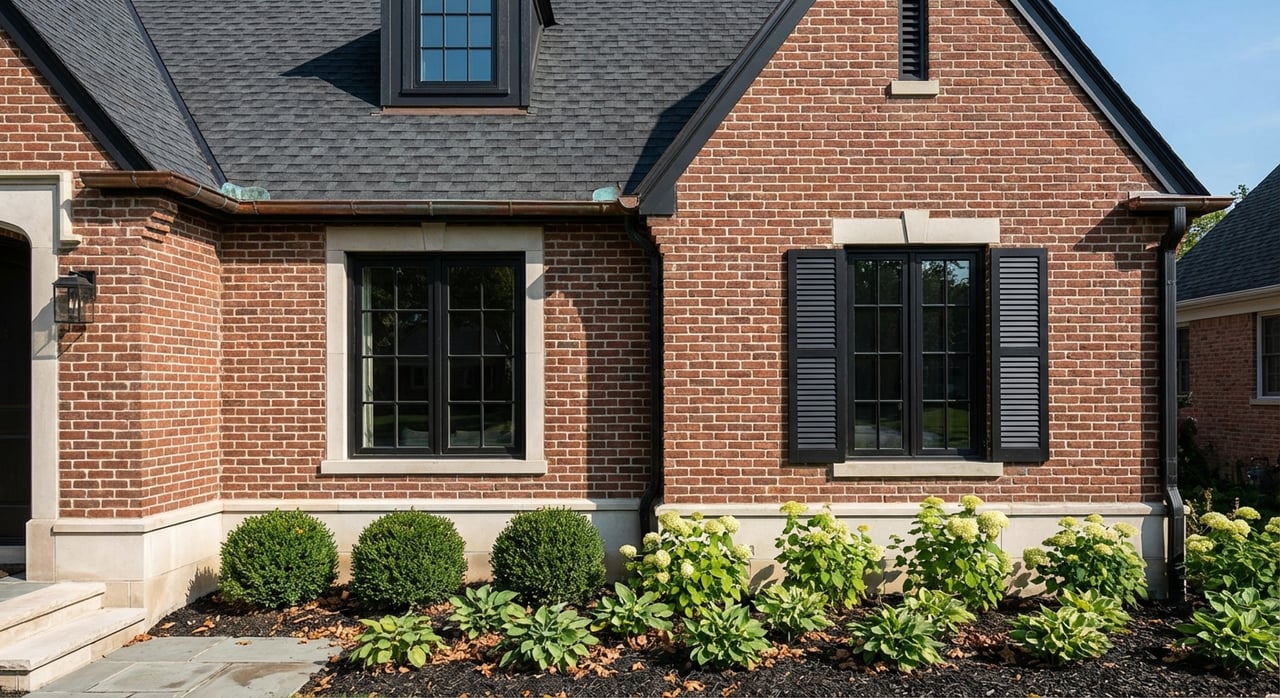
Tudor Revival homes feel storybook and substantial. You will notice steep gables, tall chimneys, brick or stone on lower levels, and decorative half-timbering above. Windows are often casement or leaded-glass, and plans are more asymmetrical with cozy rooms and fireplaces.
Tour tip: Complex roofs are common here. Slate or tile looks stunning but can be expensive to repair. Wood trim and stucco need careful maintenance to prevent water intrusion.
Arts & Crafts
Arts & Crafts homes emphasize craftsmanship and a connection to the site. Expect natural materials, thoughtful millwork, and rooms that frame garden views. In Lake Forest, Howard Van Doren Shaw’s work and his Ragdale retreat helped shape this approach across neighborhoods. For a sense of how these homes balance beauty and function, the city’s estate-era design culture is summarized in this architectural feature on Lake Forest.
Tour tip: Built-ins and original woodwork define the character. These elements are often prioritized in preservation reviews, so plan updates that respect what makes the home special.
Prairie, Midcentury, and Modern
You will also see homes with low or flat roofs, strong horizontal lines, larger windows, and a bigger indoor-outdoor connection. Several midcentury and later Modern designs in Lake Forest have earned preservation recognition. A helpful example is the Abel and Mildred Fagen House, designed by Keck & Keck, which was recently named to the National Register, as reported by the Daily Herald.
Tour tip: These homes often align well with today’s living preferences and can be easier to update thanks to simpler structures and systems access.
Other styles you may spot
- Craftsman bungalows and Shingle-style cottages in older support neighborhoods. Look for front porches, exposed rafter tails, and warm wood details. The Lake Forest Preservation Foundation often highlights these modest gems.
- Art Deco and Moderne elements on select homes and small institutional buildings. These give a streamlined 1930s feel, reminding you how many eras are represented in Lake Forest.
How style shapes layout and updates
Every style suggests something about livability and renovation options. Use these cues during showings:
- Georgian and Colonial Revival: Formal central halls and separate entertaining rooms are common. If you want open-plan living, expect structural work and careful integration so original details remain intact. The Architectural Digest feature on Lake Forest’s estates provides helpful context for how these homes were designed to function.
- Tudor and Arts & Crafts: More compartmentalized rooms and cozy nooks create charm, but big structural openings can be complex. Attic or basement conversions often add space without disrupting principal rooms.
- Midcentury and Modern: Single-level plans and simple rooflines can make systems updates and window improvements more straightforward, as seen in recognized midcentury examples noted by the Daily Herald.
What to check on a tour
Use this quick checklist to spot style-specific considerations and potential costs:
- Roofs and flashing: Slate, tile, and complex intersections are beautiful and pricey to repair. Look for missing pieces, patchwork repairs, or sagging valleys. The National Park Service’s preservation standards outline best practices for historic materials.
- Masonry and mortar: Stone and brick need proper repointing. Poor mortar matches can cause damage over time. NPS guidance stresses gentle cleaning and matching mortar composition.
- Windows and weatherization: Original sashes and leaded glass are character-defining. Test operation and feel for drafts. NPS encourages repair over replacement when feasible to retain historic fabric.
- Mechanical, electrical, and plumbing: Older wiring, galvanized plumbing, and aging HVAC can be big-ticket items. During your inspection, confirm panel size, pipe type, equipment age, and venting.
- Hazardous materials: Homes built before 1978 can have lead paint, and some older insulation may contain asbestos. Plan for testing and abatement as separate scopes.
Renovation rules in Lake Forest
Before you plan exterior changes, confirm whether a property is in a local historic district or is a designated Landmark. In those cases, exterior changes typically require a Certificate of Appropriateness and review by the Historic Preservation Commission. You can see the relevant processes and standards in the City’s Historic Preservation code.
The City also sets building-scale rules and can apply demolition controls, which affects timing and tear-down strategies. These policies tend to encourage careful renovation rather than wholesale replacement. As a result, common update paths include attic or basement conversions, reworking a service wing for a larger kitchen, and modest rear additions that preserve the streetscape. The Lake Forest Preservation Foundation’s publications often highlight these approaches.
If you plan interior-only updates, you may have more flexibility, but confirm status upfront. For any scope, align with the Secretary of the Interior’s Standards and NPS best practices to keep the project on track during review and to protect historic character.
Financing and planning your project
If you are buying a home that needs work, renovation-friendly loans can bundle purchase and improvements into one mortgage. FHA 203(k) loans and Fannie Mae’s HomeStyle Renovation program are two common options. Read about consultant roles and requirements on HUD’s 203(k) program page and review eligibility and documentation on Fannie Mae’s HomeStyle Renovation overview.
For historic properties, following the NPS rehabilitation standards can help align your design with preservation goals. Build in time for design, City review, and specialty contractors, and carry a 10 to 20 percent contingency for hidden conditions that older homes can reveal.
Style, designation, and long-term value
Research shows that active preservation often supports or stabilizes property values. A national review from PlaceEconomics summarizes multiple studies where designation is associated with price premiums or stronger recovery after downturns. For a data-grounded view, skim their compilation of economic findings on preservation.
Locally, Lake Forest’s preservation culture and clear standards help protect neighborhood character and buyer expectations. That can be a long-term positive for well-maintained, architect-designed homes and for properties in recognized districts. The tradeoff is planning time and care with exterior changes, so set your timeline and budget accordingly.
What to look for: a quick reference
- Confirm historic status: Ask whether the home is a local Landmark, in a local historic district, or on the National Register. Status determines if you need a Certificate of Appropriateness. See the City’s Historic Preservation code.
- Ask for documentation: Request past approvals, staff reports, or architect attributions if available. A paper trail helps you plan updates that will pass review.
- Inspect high-cost systems: Note roof type and condition, masonry cracks, window operation, and ages of HVAC, electrical panel, and water heater.
- Target the right area for updates: On estate-era homes, the existing service wing is often the best place to expand the kitchen without affecting principal rooms.
- Plan the process: If your scope touches the exterior, map out design work, City review, and specialty trades. Reference NPS rehabilitation standards to guide materials and methods.
- Explore financing early: Consider HUD 203(k) renovation financing or Fannie Mae’s HomeStyle Renovation. These can streamline purchase plus improvements.
See it in the neighborhood
As you tour, anchor what you see to a few local touchpoints. Stroll through Market Square’s early planned retail center to understand the city’s design DNA. Explore how estate-era sensibilities shaped homes and retreats in this architectural overview of Lake Forest’s gems. For a taste of Modern, note how midcentury design is recognized locally, including examples like the Fagen House covered by the Daily Herald.
Ready to tour with confidence?
If you want a design-savvy partner who knows how style affects value, updates, and review timelines in Lake Forest, we are here to help. We will preview options that match your goals, flag cost drivers before you write an offer, and map a clear plan for approvals and improvements. Reach out to Gina Shad to start your Lake Forest home search.
FAQs
What defines Georgian Revival architecture in Lake Forest?
- Symmetrical brick façades, centered classical entries, multi-pane windows, and formal central-hall plans are typical, reflecting the area’s estate-era design tradition.
How do Lake Forest historic rules affect exterior changes?
- If a home is locally designated or in a local historic district, exterior work usually needs a Certificate of Appropriateness and review by the Historic Preservation Commission per City code.
Are Tudor Revival homes in Lake Forest harder to maintain?
- They can be, due to complex slate or tile roofs, masonry detailing, and wood or stucco trim that needs careful upkeep to prevent moisture issues.
Are midcentury homes in Lake Forest easier to update?
- Often yes. Many Modern-era homes have simpler structures, larger openings, and single-level living that can make systems upgrades and layout tweaks more straightforward.
How can you finance renovations on a historic Lake Forest home?
- Consider a renovation mortgage that combines purchase and improvements, such as FHA 203(k) or Fannie Mae HomeStyle, and plan for detailed scopes and contractor bids.