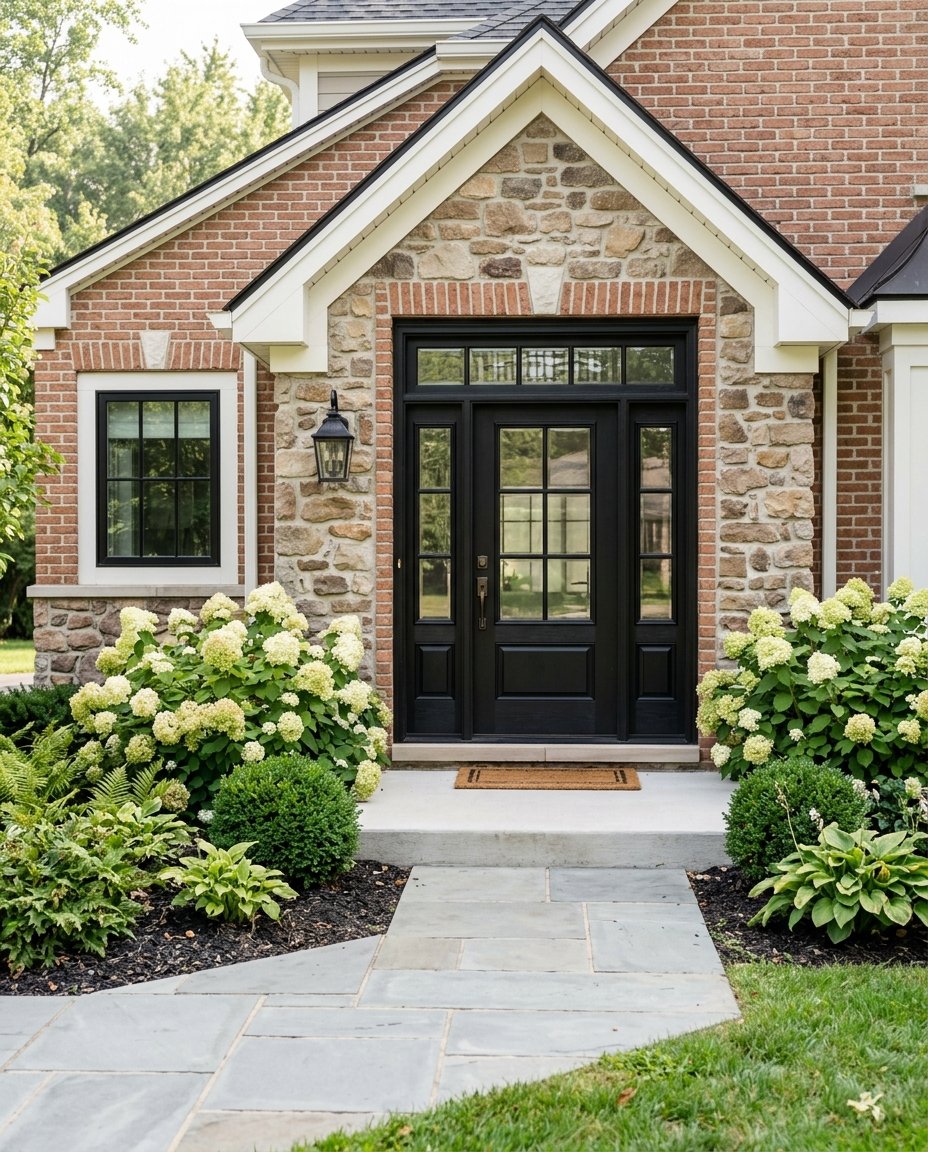
Wondering whether you should remodel before listing or just sell your Libertyville home as-is? You are not alone. Many local homeowners face this exact decision, especially when a home is well cared for but feels a little dated. The good news is that there is usually a smart middle ground, and understanding your options can help you protect your time, budget, and bottom line. Let’s dive in.
Libertyville sellers face a common question
In Libertyville, many homes are not brand new, and that matters when you are deciding how much to fix before selling. Local housing data shows that most homes are owner-occupied detached single-family properties, with a median year built of 1976. The largest share of homes were built between 1970 and 1989, followed by 1940 to 1969.
That means many sellers are not dealing with homes that need a total transformation. More often, the question is whether a house is solid but dated, and whether simple updates can improve the sale more than a major remodel would.
The market still rewards good presentation
Libertyville’s recent market numbers suggest buyers are still responding to homes that are priced and presented well. MRED’s June 2026 Libertyville update shows a trailing 12-month median sales price of $707,500, average market time of 31 days, and 99.6% of original list price received.
That does not mean every home will sell quickly without effort. It does mean that thoughtful presentation, realistic pricing, and a clear strategy can still make a meaningful difference, even if your home is not newly renovated.
When remodeling makes sense
A pre-list remodel usually works best when your home has one or two obvious weak spots that buyers will notice right away. These are often issues tied to first impressions or clearly dated spaces that distract from the rest of the home.
In many cases, the best updates are not the biggest ones. Research points to smaller, visible, resale-focused projects as the better investment when your goal is to maximize net proceeds.
Focus on high-visibility updates
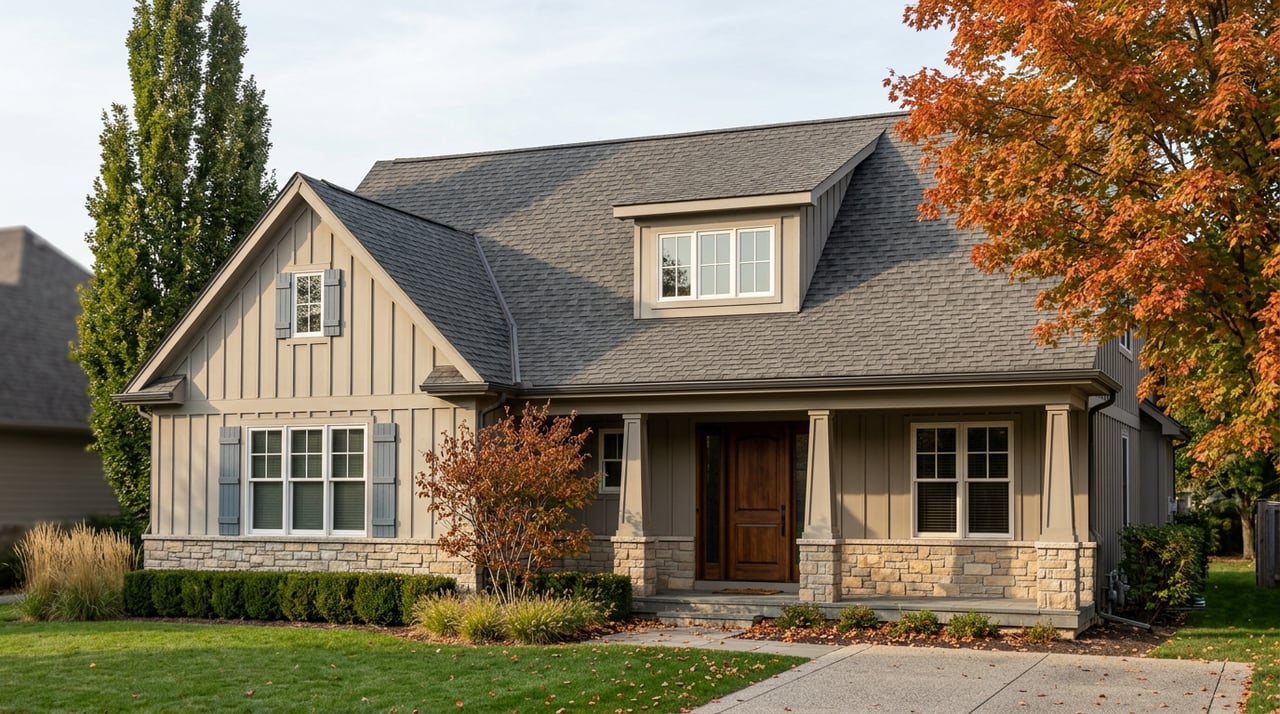
Zonda’s 2025 Cost vs. Value report found that exterior replacement projects delivered some of the strongest resale value nationally. Garage door replacement, steel door replacement, manufactured stone veneer, and fiber-cement siding replacement ranked especially well. A minor kitchen remodel also performed well.
NAR’s 2025 Remodeling Impact report points in a similar direction. It showed strong recovery for a new steel front door and more moderate recovery for projects like minor kitchen upgrades, full kitchen renovations, and bathroom renovations.
The percentages differ between the two reports because the studies use different methods. Still, the shared lesson is clear: small, visible improvements often beat large discretionary remodels when resale is the goal.
Good remodel candidates before listing
If you are considering updates, these projects may deserve a closer look:
- Repainting the interior
- Replacing or refinishing worn flooring
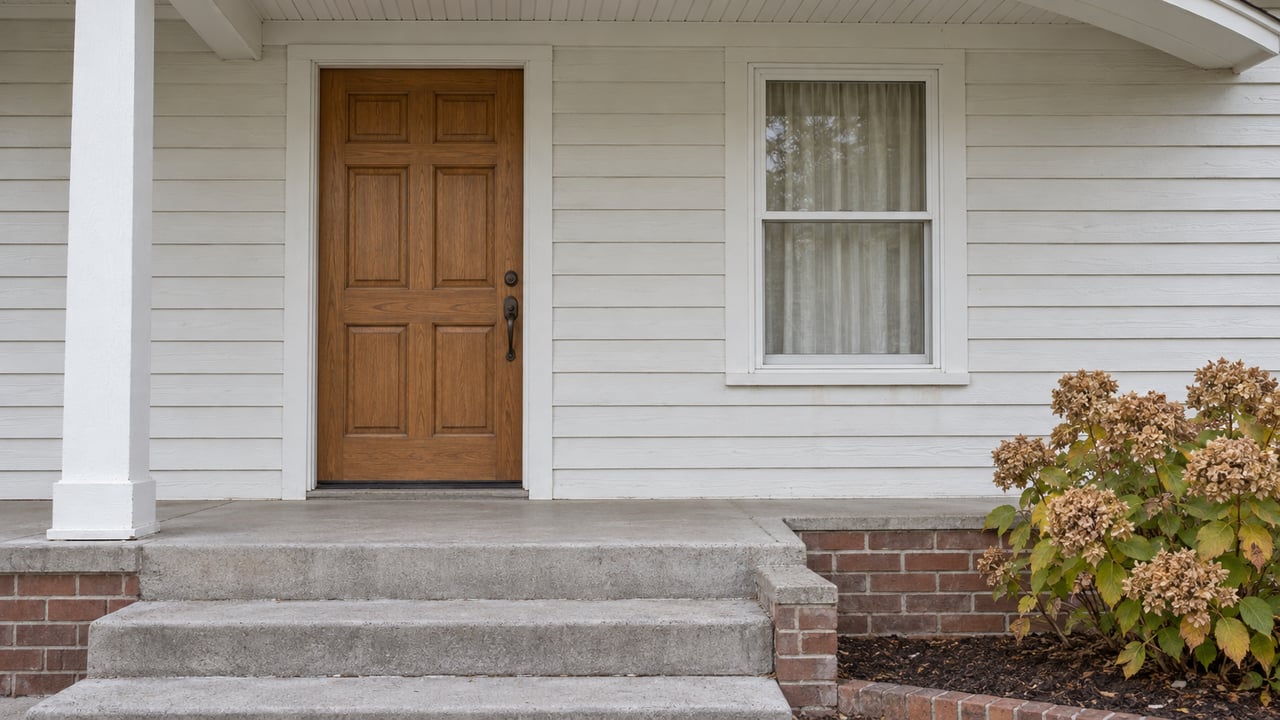
- Updating an older front door
- Improving the garage door or entry appearance
- Repairing visible exterior wear
- Refreshing a dated kitchen without gutting it
- Addressing an aging roof if needed
- Swapping dated light fixtures or hardware
These kinds of improvements can help buyers focus on the home itself instead of the work they think they will need to do.
When selling as-is makes sense
Selling as-is can be the better option when your project list is long, your timeline is tight, or the updates would mostly be based on personal taste rather than clear market value. If the house needs work in many areas, it may not make sense to pour money into improvements right before listing.
This can also be the right path if you are handling a downsizing move, estate sale, relocation, or another life transition where simplicity matters as much as price. In those cases, a clean pricing strategy and honest presentation may serve you better than a rushed remodel.
As-is does not mean no preparation
One important point in Illinois is that selling as-is does not remove your disclosure obligations. Under the Illinois Residential Real Property Disclosure Act, sellers must provide the required disclosure report before signing the contract, and the law states that the disclosure process does not eliminate your right to sell the property as-is.
The law also says sellers may have a continuing obligation to supplement the disclosure before closing. Illinois radon rules require sellers to provide radon testing guidelines and disclosure materials as well. So an as-is sale is still a disclosure-based transaction, not a shortcut around known issues.
The middle path often works best
For many Libertyville sellers, the smartest choice is neither a full remodel nor a pure as-is sale. It is a focused refresh that improves the way the home looks, feels, and shows without overinvesting.
This approach makes a lot of sense in a community where many homes were built decades ago and may simply need a cleaner, lighter, more current presentation. If your home has good bones, strategic prep can help buyers see that right away.
What a design-led refresh can include
A practical refresh may involve:
- Decluttering each room
- Deep cleaning the full home
- Painting in light neutral tones
- Fixing obvious wear and tear
- Updating lighting and cabinet hardware
- Repairing damaged flooring
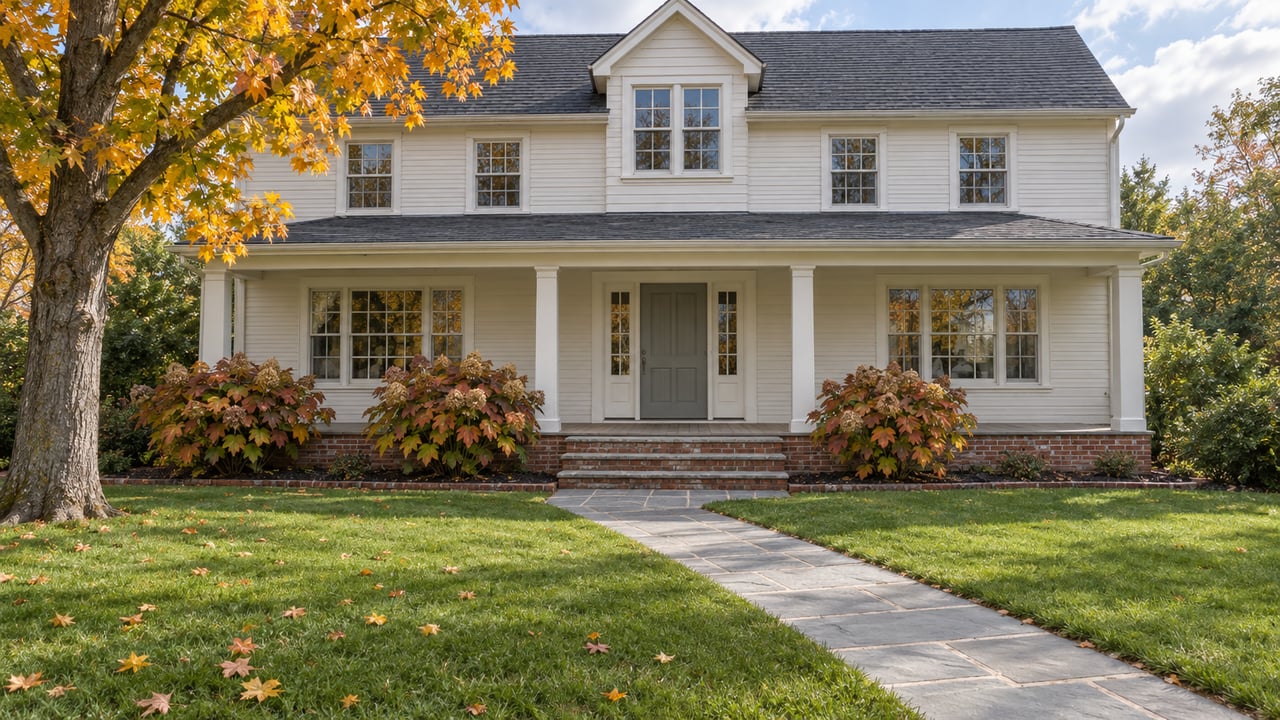
- Improving curb appeal
- Staging the most important rooms
This type of plan can create a strong visual return without the cost and disruption of a larger remodel.
Staging can close part of the gap
If your home is not fully updated, staging and presentation can help bridge that gap. According to NAR’s 2025 Profile of Home Staging, 83% of buyers’ agents said staging makes it easier for buyers to visualize a property as a future home.
The same report found that 29% of agents saw staged homes receive a 1% to 10% increase in offered value, while 49% of sellers’ agents saw homes spend less time on market. That is a meaningful result for sellers who want to improve perception without taking on a full renovation.
The rooms that matter most
NAR reported that the most commonly staged rooms were:
- Living room
- Primary bedroom
- Dining room
- Kitchen
The same report also found that listing photos, physical staging, videos, and virtual tours all matter to buyers. On the prep side, the most common recommendations were decluttering, cleaning the entire home, and improving curb appeal.
In plain terms, buyers often respond strongly to how a home is presented, not just how updated it is. That is especially important if your home has older finishes but is clean, well maintained, and thoughtfully styled.
Don’t forget permits and timing
Before you commit to pre-list work, it is important to factor in more than contractor pricing. In Libertyville, permits are required for building, electric, plumbing, heating, and air-conditioning work. The Village’s common permit list includes remodels, roofing, siding and gutters, structural systems, patios, sheds, water heaters, and window openings or changes.
Lake County also requires a building permit for alterations and additions to a house, and notes that a site development permit or special inspection may be required in some cases. In other words, bigger projects can add paperwork, approvals, and delays to your listing timeline.
How to decide what is right for you
The best choice depends on your home, your timing, and your goals. A simple framework can help.
Remodel before listing if
- Your home has one or two clear problem areas
- The updates are visible and likely to improve buyer response
- You have time for contractors and permits if needed
- The work is practical, not just taste-driven
- The rest of the home is already in solid condition
Sell as-is if
- The to-do list is broad and expensive
- You need to move quickly
- The improvements are mostly cosmetic preferences
- You do not want the stress of managing projects
- Pricing the home correctly can account for condition
Choose a refresh if
- Your home is well maintained but dated
- You want to avoid overcapitalizing
- The goal is stronger presentation, not a full transformation
- You want buyers to focus on space, light, and layout
- You need a practical balance between cost and return
Why local strategy matters in Libertyville
Because Libertyville has a large share of established homes, sellers often get the best results by improving first impressions rather than chasing a full modern makeover. Buyers may accept an older kitchen or bath more easily when the home feels clean, cared for, and move-in ready overall.
That is where design judgment and local market experience matter. Knowing which updates are worth doing, which ones to skip, and how to present the home well can protect your equity and reduce guesswork.
If you are weighing whether to remodel or sell as-is in Libertyville, the right answer is rarely one-size-fits-all. A tailored plan based on your home’s condition, timeline, and likely buyer expectations can help you move forward with clarity. If you want a thoughtful, design-driven strategy for your next move, connect with Gina Shad for a complimentary home valuation and marketing plan.
FAQs
Should you remodel a dated home before selling in Libertyville?
- Usually, only if the home has one or two visible weak spots that are likely to affect buyer response. Smaller, high-impact updates often make more sense than a full remodel.
Can you sell a house as-is in Illinois?
- Yes. Illinois law allows you to sell a home as-is, but you still must provide the required property disclosure report and related disclosure materials.
What home updates usually matter most before listing in Libertyville?
- Visible improvements tend to matter most, especially paint, flooring, curb appeal, entry updates, and selective kitchen or bath refreshes.
Do you need permits for pre-list remodeling in Libertyville?
- Often, yes. Libertyville requires permits for many types of work, including building, electrical, plumbing, HVAC, remodels, roofing, siding, and certain window changes.
Is staging worth it for a Libertyville home that is not fully updated?
- In many cases, yes. Staging can help buyers visualize the home better, improve perceived value, and reduce time on market.