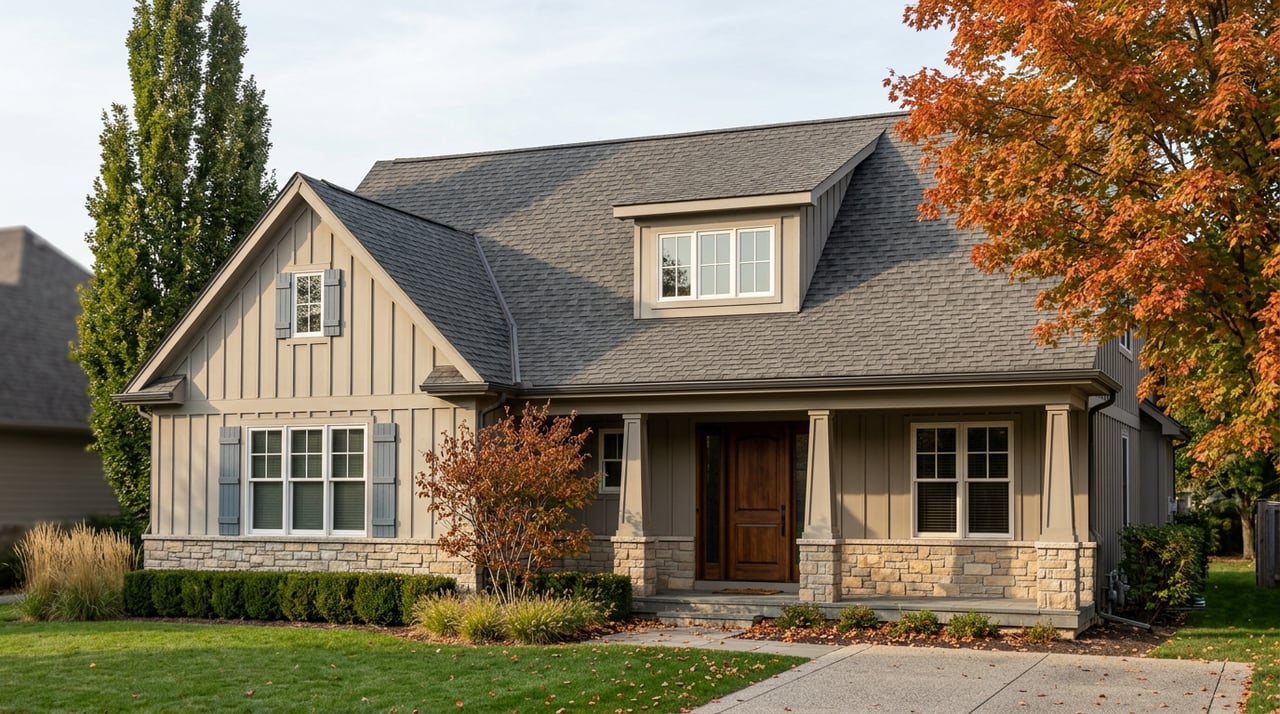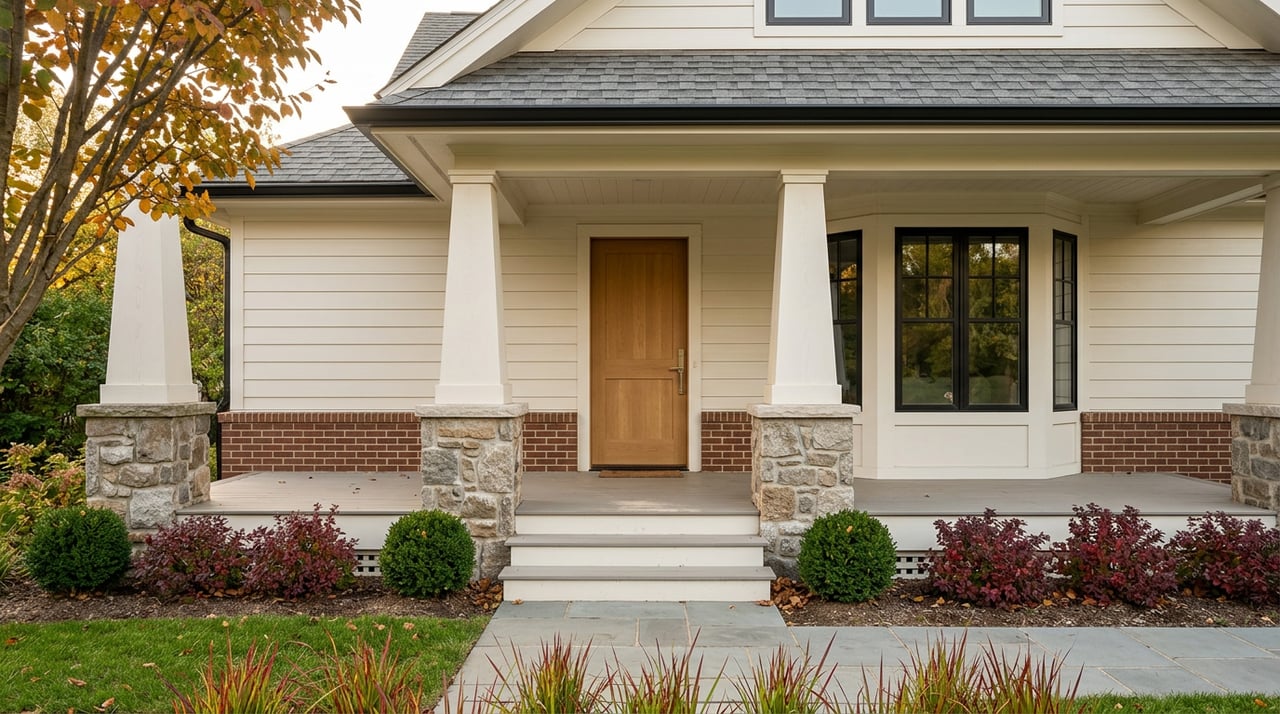
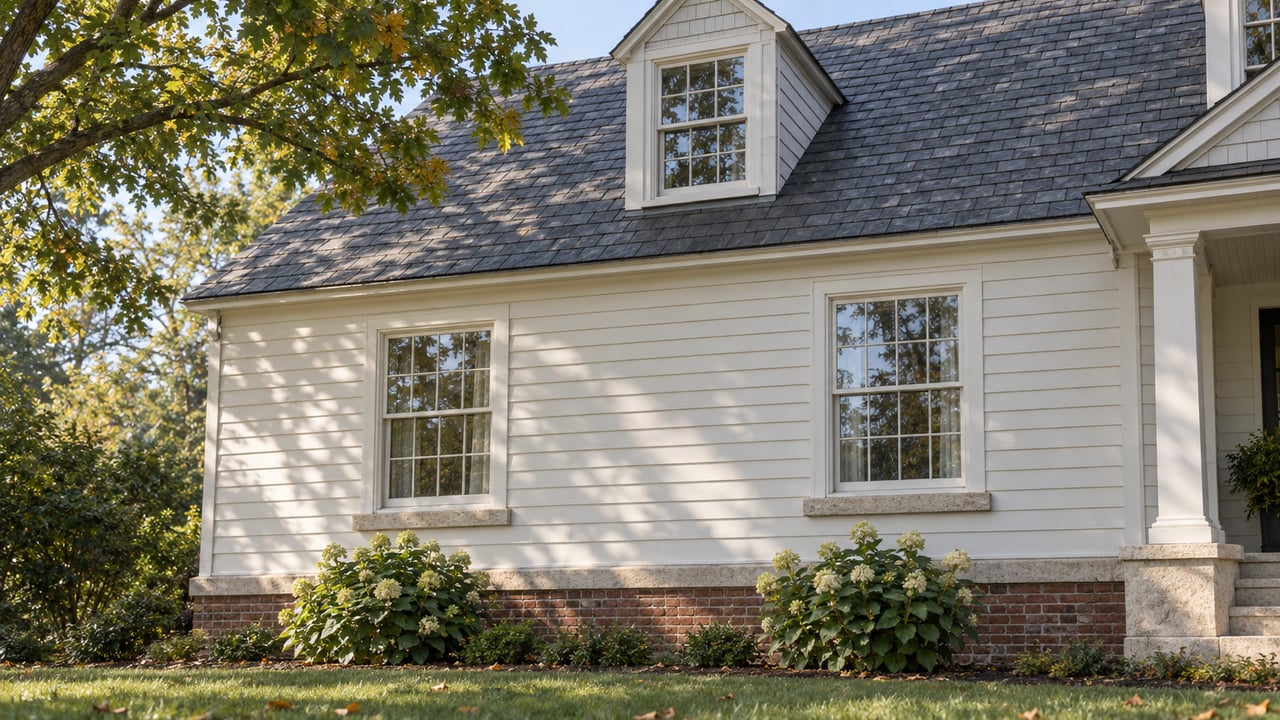
A buyer walks through a brick center-hall colonial near Oakwood Avenue, already picturing new windows and a rebuilt back porch before the moving truck arrives. The house looks like most other well-kept homes on the block, older brick, newer trim, the same restrained Lake Forest look that shows up on nearly every street east of Route 41. What that walkthrough doesn't reveal is which city board decides the fate of that porch project, and the answer has almost nothing to do with how old the house looks.
Lake Forest doesn't run one renovation process. It runs two, and they operate on different calendars, different standards, and in the case of one specific rule, a different clock that can trap a buyer who assumed a quick refresh was just a matter of pulling a permit.
Two Boards, Not One
Every exterior project in Lake Forest lands in front of one of two review bodies, and which one depends entirely on where the property sits on a map, not on the era, style, or condition of the house itself.
| Building Review Board | Historic Preservation Commission | |
|---|---|---|
| Reviewing since | 1962 | Ordinance adopted 1998 |
| Meets | First Wednesday of the month, 6:30 p.m. | Fourth Wednesday of the month, 6:30 p.m. |
| Governs | Properties outside the five Local Historic Districts | Properties inside the five Local Historic Districts, plus individual Landmarks anywhere in the city |
| Requires | Illinois-licensed architect's stamp, Residential Design Guidelines compliance | Same, plus a Certificate of Appropriateness before any permit is issued |
Both boards meet once a month and only once. Miss a submission deadline for either one, and the project doesn't wait a week. It waits until the next scheduled meeting, which typically adds four to six weeks before the review clock even starts. Between initial architect engagement and an issued building permit, a project that needs board review commonly runs eight to sixteen weeks, longer if it requires a variance, a demolition approval, or a significant plan revision, which can add another two to four months on top of that.
The Line You Can't See From the Curb
The city maintains five Local Historic Districts, created under the local ordinance to protect the areas the city considers most architecturally significant: the East Lake Forest Historic District, the Vine-Oakwood-Green Bay Road Historic District, the Green Bay Road Historic District, the Meadowood Dairy Historic District, and the Grove School Historic District. The East Lake Forest district alone runs roughly from Lake Forest Cemetery on the north down to Ringwood Road on the south, bounded by the Central Business District to the west and Lake Michigan to the east, and it's been on the National Register since January 1978.
None of those boundary lines correspond to a visible change in what the houses look like. A home built in the 1920s sitting just outside a district line answers to the Building Review Board. A home built decades later that happens to fall inside one of those five districts, or that's been individually designated a Landmark, answers to the Historic Preservation Commission and needs a Certificate of Appropriateness before a permit gets issued for anything from a new roofline to a rebuilt porch. Two houses that look nearly identical from the street can be on completely different timelines, and the only way to know which one applies to a specific address is to check before making renovation plans, not after.
The city's own building review records make the mechanics concrete. One Building Review Board agenda on file included a request to add a new garage and a two-story addition to a home fronting Longwood Drive, along with converting a porch to enclosed living space, exactly the kind of project a move-up family might plan after closing. A separate case in the board's public record involved a full demolition and replacement build on Northmoor Road, a project that only made it to that stage because the city's demolition rule had already been satisfied.
The Two-Year Clock Nobody Mentions at Closing
That demolition rule deserves its own attention, because it's the one piece of this system that catches buyers off guard the hardest. Lake Forest imposes a two-year waiting period on demolition permits unless the City Council has already approved a replacement building design. In practice, that means a buyer who closes on a property intending to tear down and rebuild can't simply schedule a demolition crew. The replacement design has to clear review first, which means the same monthly board cycle, the same architect's stamp requirement, and the same eight-to-sixteen-week runway, all before the old structure can legally come down. Skip that sequence and the wait isn't measured in weeks. It's measured in years.
Plan modifications carry their own constraint too. Once the City Council or a review board has approved a set of plans, it's unlawful to alter them mid-construction without going back for a waiver or a new approval. A contractor's on-site adjustment that would be routine in most towns becomes a paperwork event here, and approvals themselves expire if a building permit isn't pulled within two years of the date they were granted.
Why This Collides With Today's Market
None of this would matter as much if Lake Forest homes sat on the market for months. They don't. Over the three months ending August 2026, homes here sold for a median price of $1.5 million, up 18.1 percent from the same period a year earlier, and the average home went under contract in 52 days, down from 57 the year before. Days on market kept compressing into fall: as of September 2026, homes were spending a median of 33 days on the market before going under contract, a sharp drop from the same month a year earlier.
That's the mismatch worth sitting with. A market moving fast enough to shave weeks off its own timeline every year is still bound by a city review process that hasn't sped up at all, because board meetings happen once a month regardless of how many buyers are competing for a listing. A buyer who wins a multiple-offer situation in five weeks and assumes the renovation will move at a similar pace is comparing two systems that don't run on the same clock. The market rewards speed. The approval process doesn't recognize it.
For sellers, the same mismatch cuts the other way. A home with an unresolved board case, an expired approval, or a demolition permit still sitting inside its two-year waiting period isn't just a home with more paperwork. It's a home that needs that status explained clearly and early, well before a buyer's attorney or lender starts asking questions during a due diligence period. Illinois's Residential Real Property Disclosure Act requires the disclosure form to reach the buyer before a binding contract is signed, and if a material defect surfaces after signing, the buyer can have a three-business-day window to terminate. In a market moving in weeks rather than months, that's not a lot of runway to sort out a project status question that could have been answered on day one.
What This Means Before You Write an Offer
For a buyer evaluating a Lake Forest property with renovation in mind, the sequence that protects a timeline looks like this:
- Confirm whether the address sits inside one of the five Local Historic Districts or carries individual Landmark status, before assuming a project's scope or cost.
- Identify which board has jurisdiction and check its next submission deadline, since missing one costs four to six weeks before review even begins.
- Budget for an Illinois-licensed architect from the outset. Architectural fees on a typical estate-scale project run $15,000 to $40,000, and plans without that stamp won't be accepted by either board.
- If a teardown is part of the plan, build the two-year demolition rule into the offer timeline rather than the closing timeline. The replacement design needs approval before the old structure can legally come down.
- Set overall renovation budget expectations at $150,000 to $500,000 or more for a substantial estate-level project, and expect eight to sixteen weeks of review before construction can start in the simplest case.
None of this makes Lake Forest harder to buy into than it looks on paper. It makes the paperwork part of the property itself, the same way the lot size or the school district is. A house that needs board review isn't a house with a problem. It's a house where the timeline lives in a different place than most buyers think to look.
Whether you're evaluating a Lake Forest property with renovation plans already sketched out, or preparing to list one and want the district and board status sorted before a buyer's attorney asks, Gina Shad Team can walk through what a specific address is actually working with, board jurisdiction included, before you build a timeline around it.