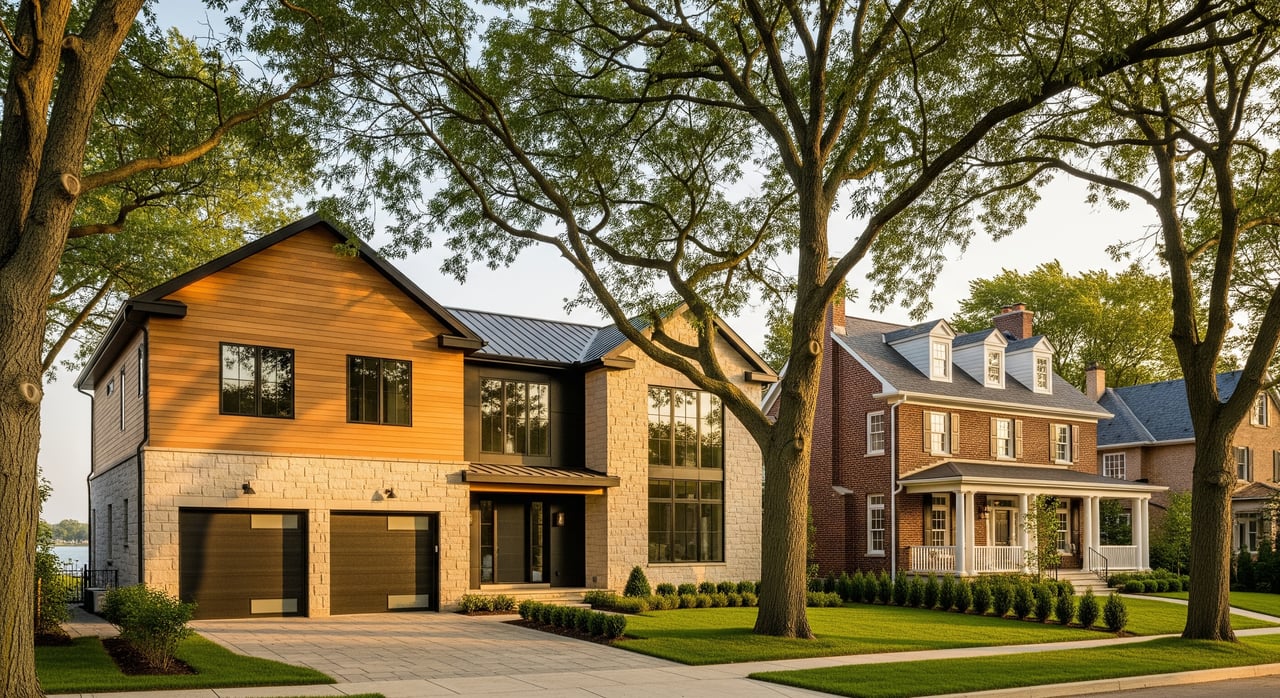
Choosing between a new build and a resale home in Mundelein can feel like a fork in the road. You want the right fit for your budget, timeline, and lifestyle, and you do not want surprises after closing. In this guide, you will learn how new construction and resale homes compare on cost, timing, maintenance, taxes, and long-term value so you can move forward with clarity. Let’s dive in.
New vs. resale at a glance
- New construction often carries a premium over similar resales, especially with upgrades.
- Resale homes can offer lower upfront pricing, established neighborhoods, and quicker closings.
- New builds provide modern layouts, energy-efficient systems, and warranties.
- Resales may need repairs or updates, but many already have recent renovations.
What drives total cost
New construction costs
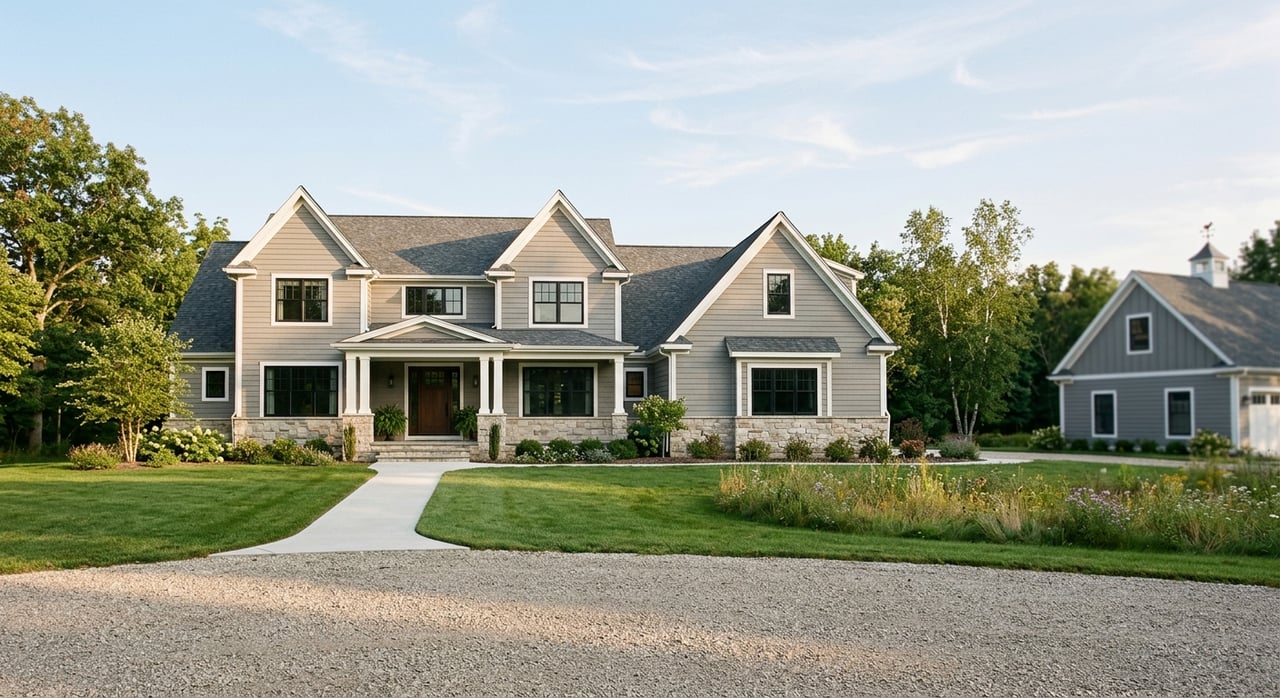
New builds commonly include a price premium, often a few percent up to 10–15 percent compared with comparable resales, depending on finishes and the local market. Expect potential lot premiums, plus extra costs for landscaping, window treatments, and upgrades. If construction takes months, you may also carry rent or a second mortgage longer.
Resale costs
Resales can come in at a lower purchase price, but plan for possible immediate repairs or updates. Common items include roofing, HVAC, windows, and kitchen or bath refreshes. A thorough inspection helps you budget for near-term work versus long-term improvements.
Financing and closing timeline
Resale timeline
Most resale transactions use conventional, FHA, or VA financing. After an accepted offer, closings typically run 30 to 45 days, depending on underwriting and appraisal timing. You can move in fast and lock in your rate early in the process.
New build timeline
Builders may offer preferred lenders, rate buydowns, or closing-cost incentives. If you are building from scratch, plan on a 4 to 12 month timeline or longer. Delays can occur due to weather, supply, and change orders. Spec or inventory homes reduce unknowns and can close more like a resale.
Design, space, and daily living
New build customization
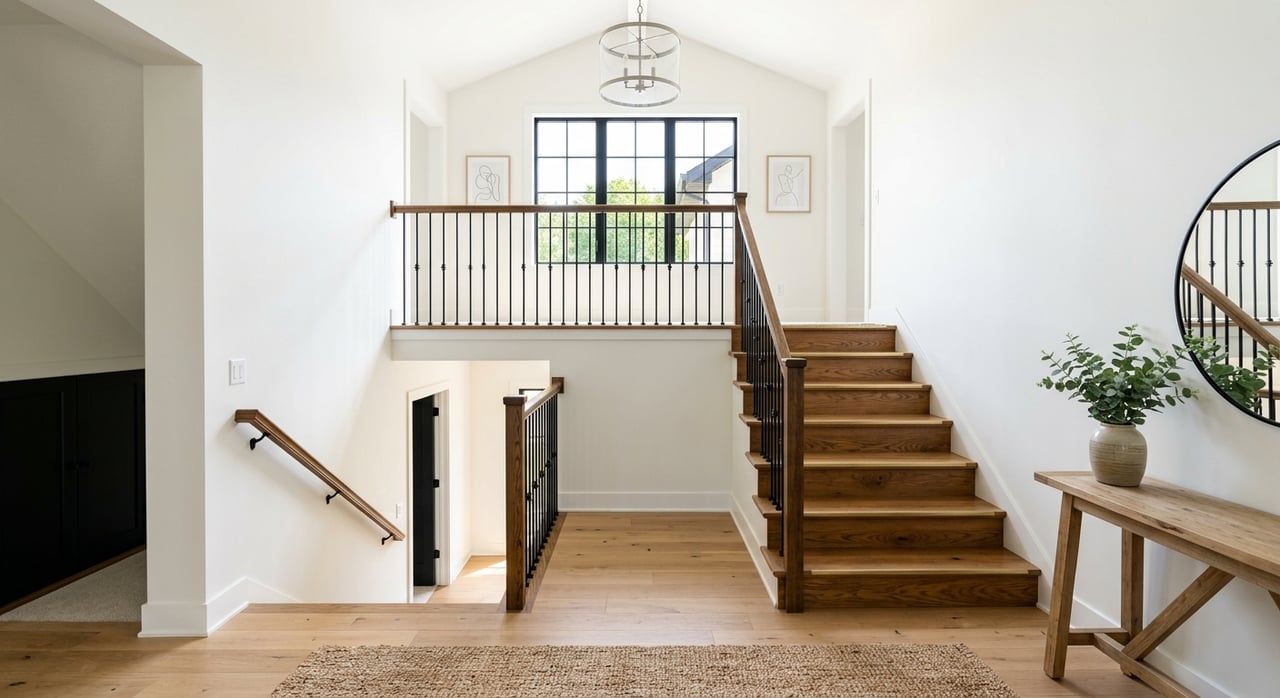
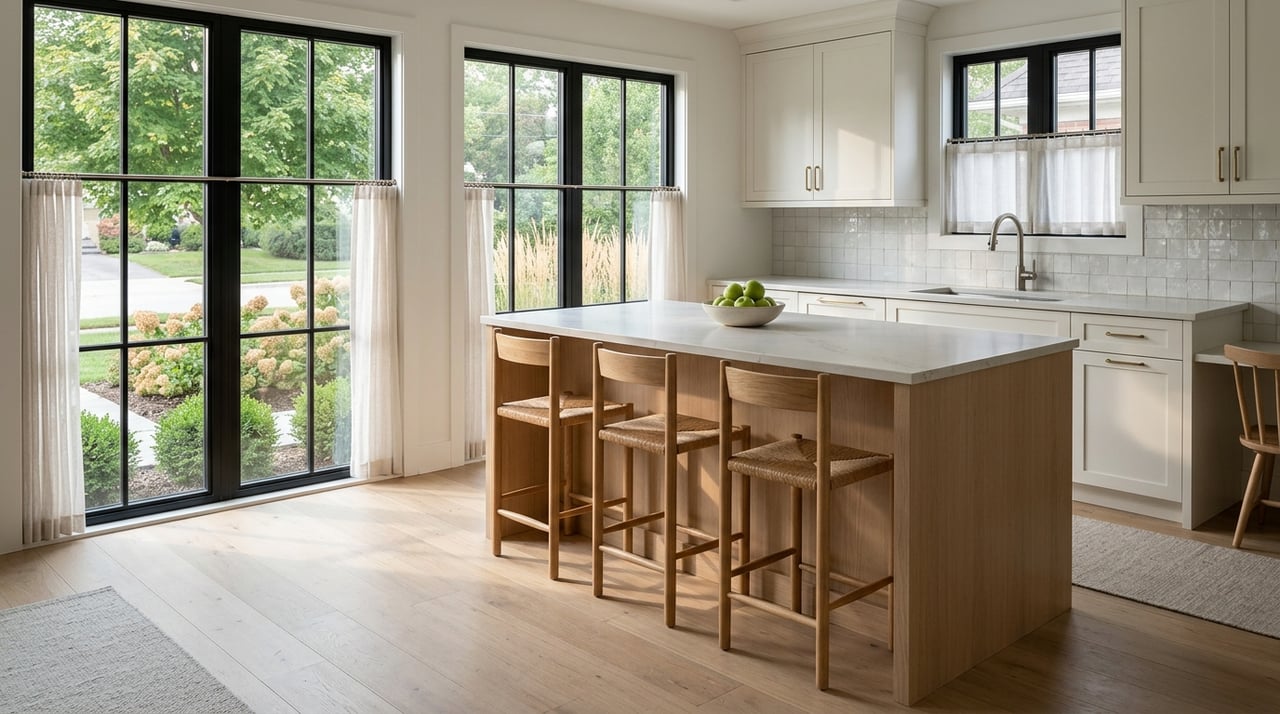
New construction lets you choose floor plans, finishes, and layout, within the builder’s offerings. The earlier you sign, the more choices you have. Keep in mind that upgrades add cost, and selection deadlines come quickly.
Resale character and lots
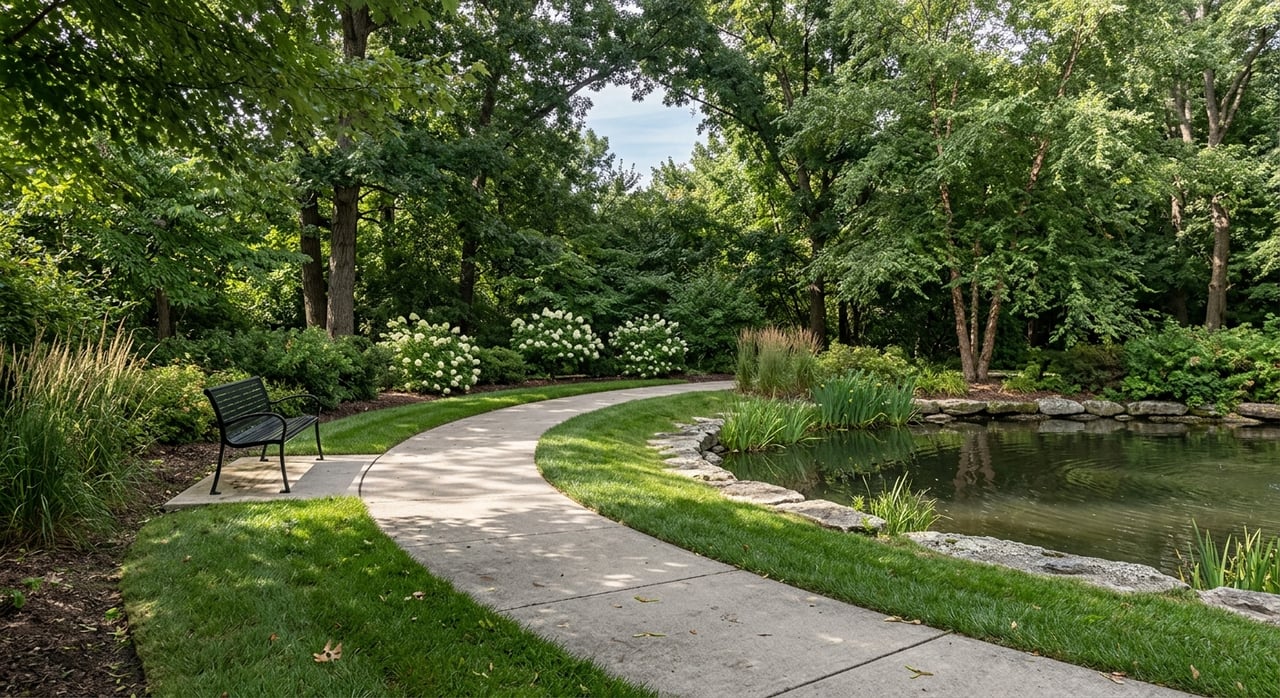
Resales often sit in established neighborhoods with mature trees and landscaping. You may find larger or more varied lots, plus unique architectural details. If you enjoy remodeling, a resale can be a canvas for your style.
Condition, efficiency, and maintenance
New construction benefits
New homes must meet current building codes and are often built to modern energy-efficiency standards. New roofs, HVAC, windows, and appliances typically mean lower near-term maintenance and potentially lower utility costs. Many builders offer a 1-year fit-and-finish warranty and longer structural coverage, with exact terms defined in your contract.
Resale considerations
Older systems may be closer to end-of-life, though many resales have recent updates that reduce maintenance risk. A detailed home inspection, including any needed specialty inspections, helps you plan for repairs, safety items, and future upgrades.
Taxes, HOAs, and assessments
Property taxes and assessments can vary between new and older homes. New builds may start with lower assessed values that increase as the property is fully evaluated, which can change your tax bill over time. Many newer subdivisions include homeowners associations. HOA dues fund items like common-area maintenance and amenities, so include them in your monthly budget. Some communities may also have special assessments or connection fees that affect your total cost.
Resale value and market timing
New construction can command a short-term premium, but long-term value depends on location, lot, finishes, neighborhood desirability, and local demand. Established neighborhoods often benefit from mature landscaping and a clear set of comparable sales, which can help stabilize pricing. In a rising market, buyers of new construction may benefit from appreciation during the build period, while a cooling market can introduce pricing or financing risk across both new and resale options.
Mundelein specifics to weigh
Mundelein is a Lake County village of roughly 31,000 residents according to the 2020 Census. For many buyers here, commute options, school assignments, and neighborhood character guide the decision. As you compare homes:
- Check active new-home communities and nearby subdivisions, then compare price, incentives, and HOA dues against resales in similar locations.
- Confirm school boundaries for any specific address and note how that factors into demand.
- Review property tax history and exemptions available to you. Assessments can change after new construction is completed.
- Consider commuting patterns. Proximity to major roads and commuter rail can influence both your lifestyle and resale appeal.
- Walk established streets you like, then compare lot sizes, tree cover, and existing parks and paths to newer neighborhoods.
Buyer checklist: New construction in Mundelein
- Vet builder reputation, completed homes, and buyer references.
- Review the builder contract, what is included, selection deadlines, and change-order rules.
- Ask about lot premiums, landscaping allowances, and driveway or sidewalk obligations.
- Verify utilities, any special assessments, and connection fees.
- Confirm school assignments and any planned development nearby.
- Hire an independent inspector for pre-drywall and final walkthroughs.
- Compare your total monthly cost, mortgage plus taxes plus HOA plus utilities plus maintenance, to a similar resale.
Buyer checklist: Resale in Mundelein
- Schedule a full home inspection and any needed specialty inspections.
- Confirm permits for major renovations and get documentation for recent updates.
- Review comparable sales within the neighborhood to validate pricing.
- Evaluate lot conditions like drainage, tree coverage, and setback.
- Budget for immediate and near-term repairs or cosmetic updates.
Seller checklist: Competing with new builds
- Tour or research nearby new-home offerings to understand pricing, finishes, and incentives.
- Focus on high-impact updates like minor kitchen refreshes, paint, lighting, and landscaping.
- Highlight established neighborhood benefits that new subdivisions may not replicate, including mature trees, location advantages, and nearby parks.
- Stage thoughtfully to showcase space, light, and flow. Quality presentation helps you compete with brand-new listings.
How to choose with confidence
If you want modern layouts, energy efficiency, and warranties, new construction can be a great fit. If you want value, an established street, or a faster move, a resale may be stronger. The best choice in Mundelein comes from comparing like-for-like homes, total monthly cost, and your timing needs. We help you weigh these trade-offs with real comps, clear timelines, and a design-forward eye so you can buy or sell with confidence.
Ready for a side-by-side comparison tailored to your move? Connect with Gina Shad to review local options, pricing, and your next steps. Request your complimentary home valuation & marketing plan.
FAQs
Will a new home cost more than a resale in Mundelein?
- Often yes. New construction commonly carries a premium, which can increase with lot choices and upgrades, while resales may need repair budgets.
How long does new construction usually take to close?
- Building from scratch often takes 4 to 12 months or more. Spec homes can close faster, closer to a typical resale timeline.
Are builder warranties enough protection on a new home?
- Warranties help, often including 1-year fit-and-finish and longer structural coverage. You should still hire an independent inspector.
Are property taxes higher on new builds in Lake County?
- Not always at first. Assessments may rise after completion, so plan for potential changes and verify exemptions you can claim.
Is financing more complicated for new construction than resale?
- It is different. You might use construction-to-permanent loans or a builder’s preferred lender. Always compare independent options to incentives.