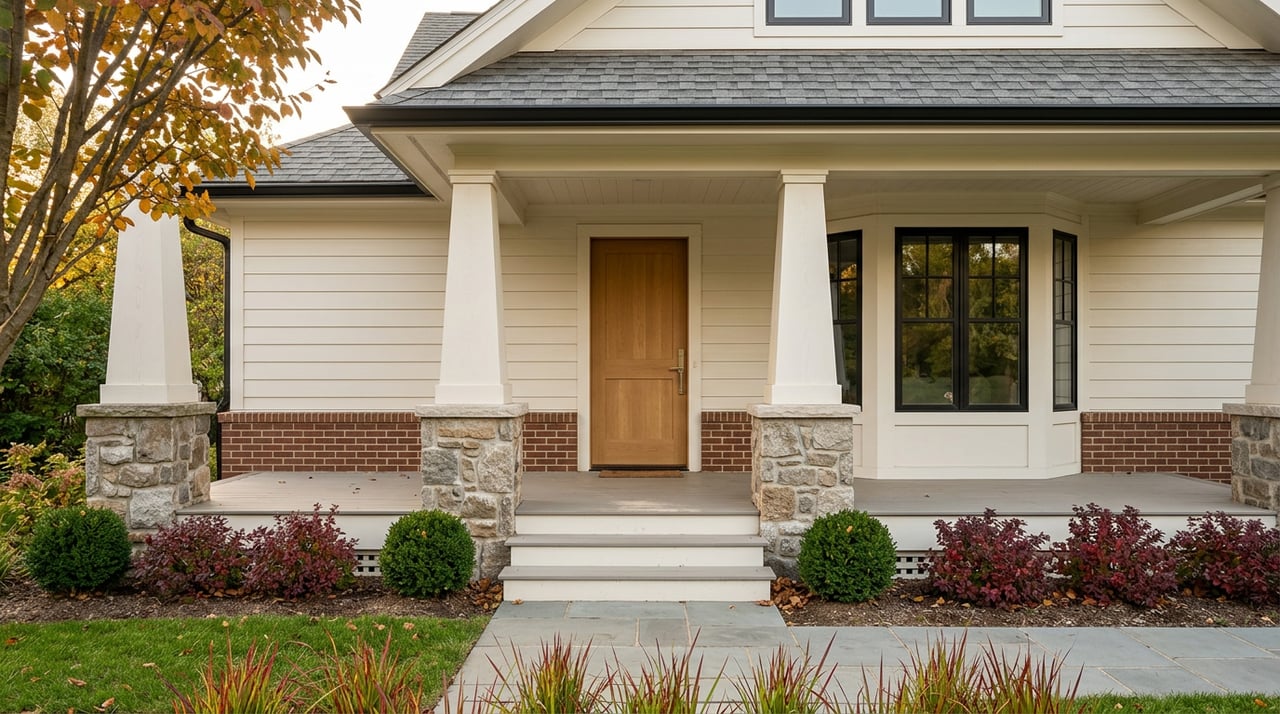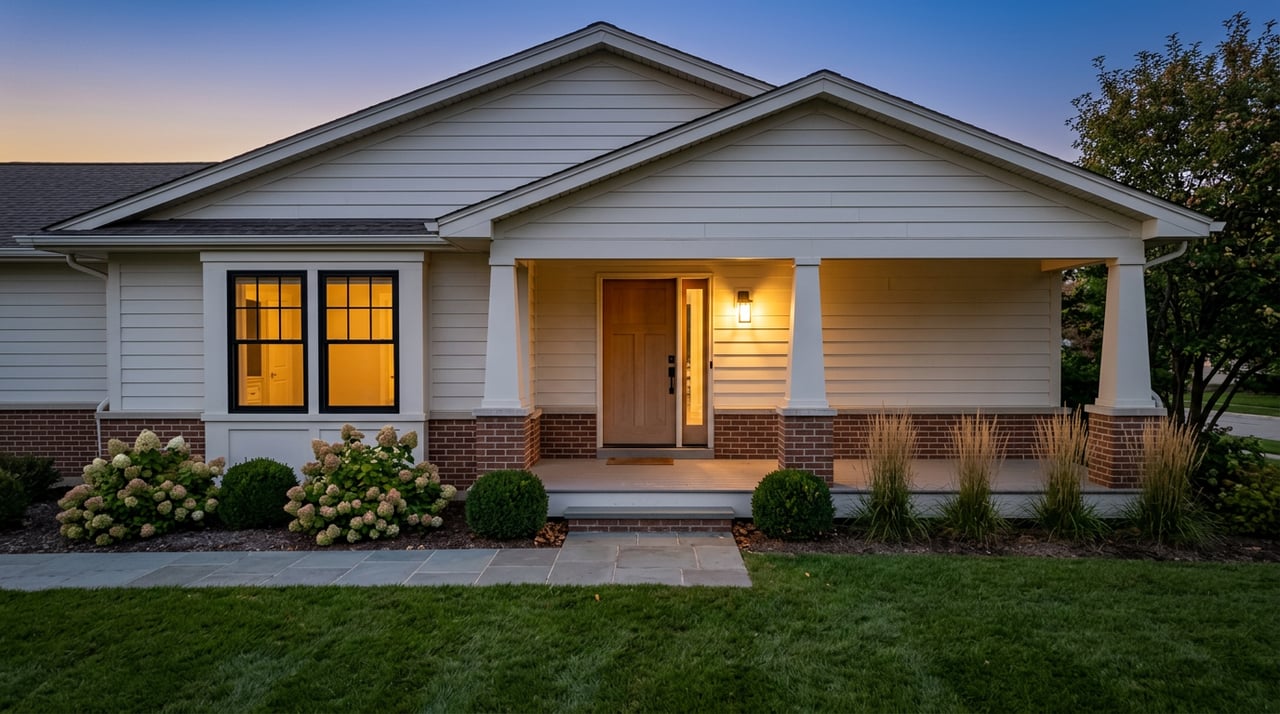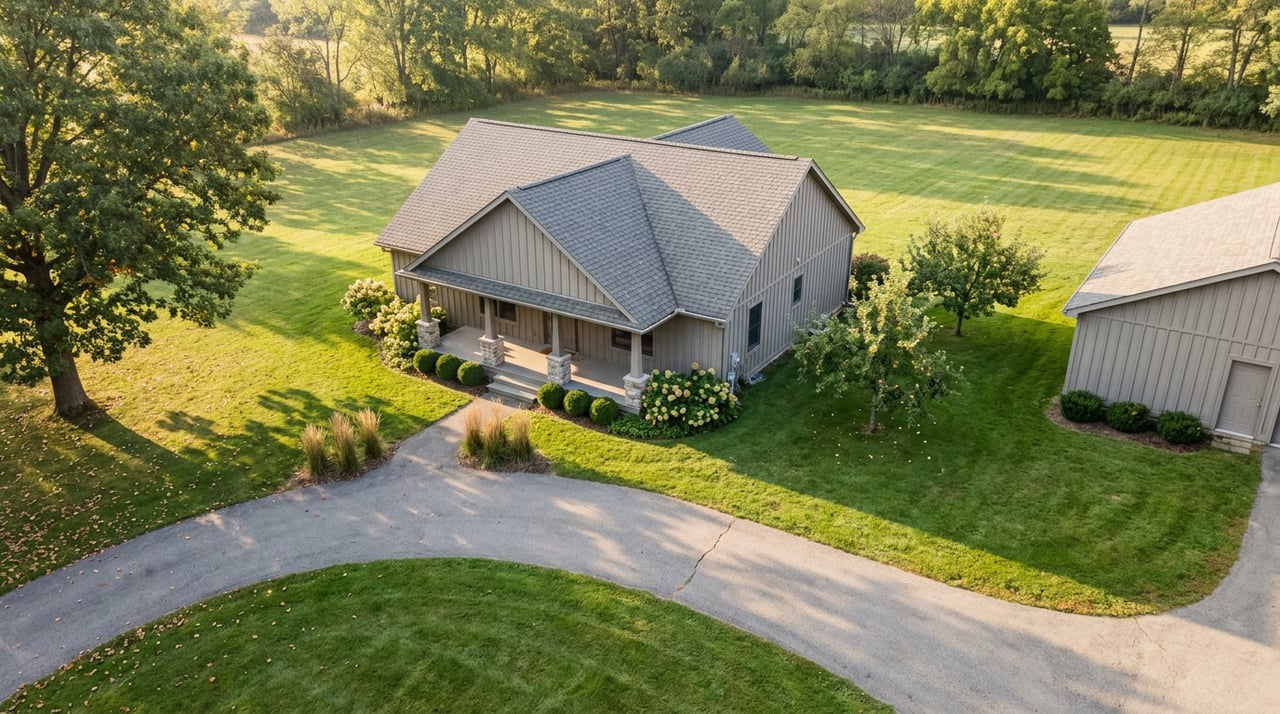
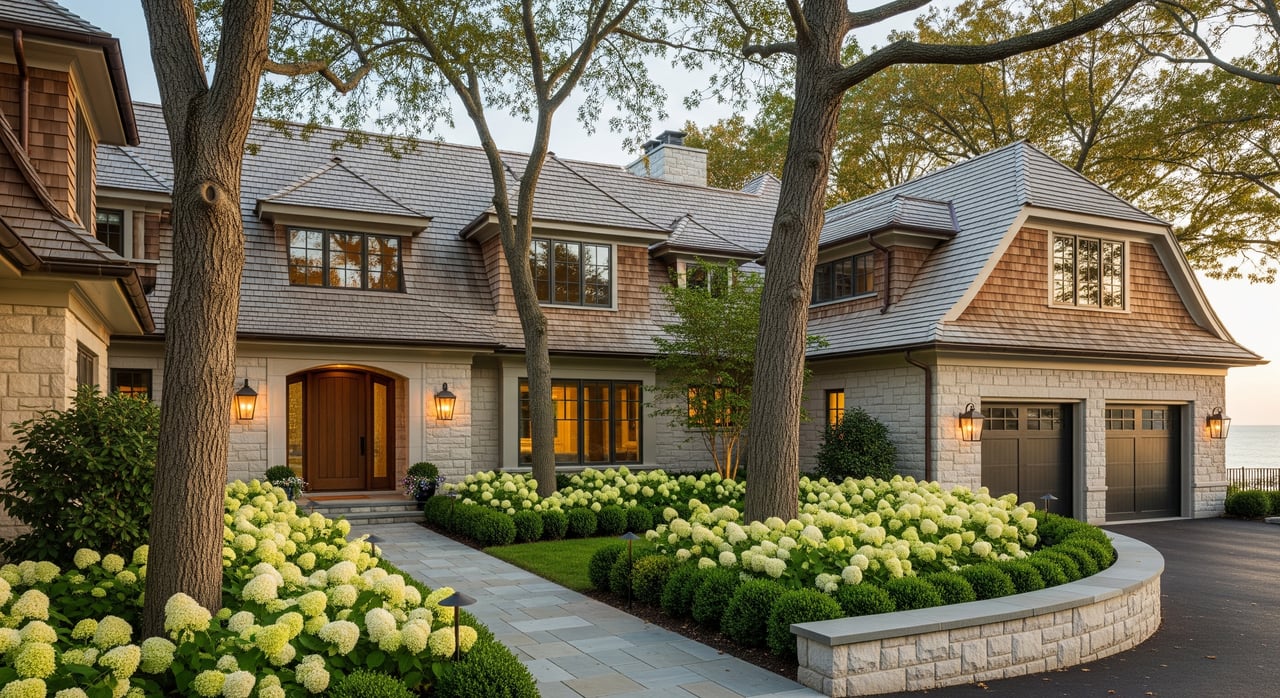
Is your front yard telling the right story to buyers driving through Lake Bluff? In a lakefront community where winters bite and summer winds can whip off Lake Michigan, curb appeal is about more than pretty flowers. You want a landscape that looks intentional, stays tidy through the seasons, and fits your home’s style. In this guide, you’ll learn practical, Lake Bluff-tested ways to refresh your exterior so it photographs beautifully and feels welcoming from the curb. Let’s dive in.
What curb appeal means in Lake Bluff
Curb appeal in Lake Bluff starts with local conditions. The lake moderates temperatures, but wind, humidity, and occasional lake-effect snow shape what survives and what struggles. Soils often include compacted clays that hold water, which affects drainage and plant health.
You are typically working in a USDA zone around 5b to 6a. Confirm your specific microclimate before you plant. Salt from winter road treatments and spray near driveways or parkways can stress sensitive plants, so plan your layout with buffers and tolerant species.
Fast curb appeal wins this weekend
You can make a strong first impression without a major project. Start with cleanliness and light. Then add a few accents that frame the entry.
- Power-wash the siding, walkway, and drive so everything feels crisp.
- Repaint or replace the front door and touch up trim for a fresh focal point.
- Update house numbers, a mailbox, and the doormat to signal care.
- Refresh mulch to a consistent, natural color and shape tidy bed edges.
- Prune foundation shrubs to expose windows and highlight the front door.
- Add low-voltage LED path lighting for evening photos and safe steps.
These quick items boost perceived value because buyers equate them with a well-maintained home.
Planting that thrives near the lake
Preserve mature trees
Mature canopy trees are a major asset in Lake Bluff’s historic and established neighborhoods. Keep them healthy with regular pruning and root-zone protection. Avoid adding soil over roots or compacting the area with heavy equipment. A healthy canopy frames your home, provides shade, and anchors year-round structure.
Layered, native-forward palette
A layered composition reads clean and intentional in photos and in person. Think structure first, then seasonal color.
- Ornamental trees for scale: serviceberry, disease-resistant crabapple cultivars, and redbud add spring interest and a refined profile.
- Foundation and structure shrubs: native viburnums and hydrangeas selected for your sun and soil give volume around the base of the home. Consider evergreen fillers like Japanese holly where deer pressure is manageable.
- Perennials and grasses: coneflower, black-eyed Susan, and bee balm deliver pollinator-friendly color from mid-summer into fall. Switchgrass and little bluestem add movement and winter structure.
- Groundcovers and bulbs: shade-tolerant groundcovers and spring bulbs brighten spaces beneath trees and along paths.
Choose regionally adapted or native species for better resilience. Keep your plant list concise so the front yard feels calm rather than busy.
Deal with salt, deer, and wind
Environmental pressures matter on Lake Michigan’s shore. Plan for them, and your curb appeal will last.
- Salt strategy: place salt-tolerant plants and tough ornamental grasses near the street and along driveways. Create a buffer between pavement and sensitive plantings using a narrow gravel strip or a band of hardy grasses.
- Deer awareness: assume some browsing in wooded or suburban pockets. Choose plants known for better deer resistance and protect young shrubs during establishment.
- Wind layering: use staggered plant heights and evergreen structure to create wind breaks. Avoid placing delicate plants in the direct wind path.
Hardscape that handles freeze-thaw
Your materials and layout need to stand up to the Midwest freeze-thaw cycle. The right choices reduce cracking, heaving, and icy hazards.
- Use materials rated for our climate: natural stone and quality concrete pavers perform well when properly installed.
- Consider permeable pavers or adding a rain garden to reduce runoff and minimize ice formation near entries.
- Design a direct, wide front walk with even grades and predictable drainage. Non-slip textures help during winter.
- Choose low-voltage or LED fixtures that match your home’s style to create an inviting evening glow.
These upgrades boost daily livability and make listing photos pop, especially at twilight.
Seasonal care that protects value
Curb appeal is not one-and-done. A simple seasonal rhythm keeps everything looking intentional.
- Spring: clean beds, prune winter damage, evaluate salt impact, and refresh mulch. Add pre-emergent weed control if desired.
- Summer: water new plantings consistently for the first 1 to 3 years. Mow cool-season turf at the recommended height and monitor for pests.
- Fall: cut back perennials as appropriate, remove leaves from turf to prevent smothering, and winterize irrigation.
- Winter: protect young plants from heavy snow, clear walkways promptly, and minimize de-icer use near plantings.
A tidy landscape communicates care to buyers year-round.
Smart investments by budget
Low-cost, high-impact
Focus on finishes and the entry sequence. Clean surfaces, crisp paint, sharp edges, and updated fixtures deliver an outsized return. A pair of seasonal planters by the door adds color and scale without cluttering the facade.
Mid- to higher-cost upgrades
If you are ready to invest, consider projects that blend aesthetics with function. New front walkways, stoop improvements with proper lighting, or a small front patio create a gracious arrival. Structured planting beds with a focal specimen tree give the home a polished, magazine-ready look.
Budget varies by scope and site. For accurate local estimates, consult certified arborists and reputable landscape contractors.
What buyers notice most
Buyers in Lake Bluff respond to homes with preserved mature trees, a clear view of the front door, and low-to-moderate maintenance plantings. Native-forward designs that read neat and intentional are increasingly attractive. You do not need a complex design to win; you need clarity, balance, and good upkeep.
Rules and resources to check first
Before you dig, confirm the basics. Some visible exterior work may require approval or permits, especially in historic districts.
- Permits and approvals: tree removals, fences, retaining walls above certain heights, significant grading changes, and front facade or porch alterations may trigger review. Contact the Village of Lake Bluff Community Development for guidance.
- Street and parkway: check responsibilities for parkway maintenance and the status of street trees with Village Public Works before you plant or remove anything in that strip.
- HOA considerations: if your subdivision has an HOA, review design guidelines for front-yard landscaping, fencing, and color palettes.
For planting questions and soil testing, consult University of Illinois Extension. For native plant lists and rain garden guidance, the Illinois Native Plant Society and the Lake County Soil & Water Conservation District are helpful starting points. Use the USDA Plant Hardiness Zone Map to confirm plant suitability.
A simple Lake Bluff curb appeal checklist
- Confirm your hardiness zone and note wind exposure.
- Assess drainage and address compacted clay or ponding.
- Map salt-splash zones near the street and driveway.
- Identify deer pressure and plan protection for new plants.
- Prioritize care for mature trees with proper pruning.
- Define a clear, well-lit front path to the door.
- Choose a concise plant list with layered, native-forward choices.
- Refresh mulch and sharpen bed edges for a clean look.
- Add low-voltage lighting that matches your home’s style.
- Plan winter snow placement to avoid burying young shrubs.
Ready to position your home for the market?
If you are thinking about selling or simply want your home to shine, we can help you prioritize updates that matter, stage for photos, and market your property with purpose. Our design-forward approach and local experience across Lake Bluff and Lake County make the process clear and efficient. For tailored guidance and a next-step plan, connect with Gina Shad.
FAQs
Do I need village approval for curb appeal projects in Lake Bluff?
- Some exterior work like tree removal, fences, significant grading, or front facade changes may require permits or review; confirm with the Village of Lake Bluff Community Development before starting.
Which plants handle salt and wind near Lake Michigan in Lake Bluff?
- Use salt-tolerant and wind-tough choices near streets and drives, buffer with gravel or grasses, and place more sensitive plants farther from splash zones; consider serviceberry, disease-resistant crabapple cultivars, viburnums, hydrangeas suited to site, and hardy grasses like switchgrass and little bluestem.
How do I maintain curb appeal year-round in northern Illinois?
- Preserve mature trees, use layered plantings with evergreens and ornamental grasses for winter structure, keep walkways clean, refresh mulch each spring, and add path lighting for evening appeal.
Are native plantings good for resale in Lake Bluff?
- Yes, when they look intentional and tidy; buyers increasingly value low-maintenance, regionally adapted landscapes that feel cohesive with the home’s architecture.
What is a realistic budget for front yard updates in Lake Bluff?
- Costs vary widely by scope and site conditions; quick refreshes are modest, while new walkways, stoop work, lighting, and structured beds require larger budgets—get estimates from local contractors and certified arborists.