Wondering what kinds of homes you’ll actually find when you start browsing Gurnee? That question matters more than most buyers expect, because this village has a clear split between older and newer housing areas, plus a mix of detached homes, townhomes, and multi-unit options. If you want to shop smarter, this guide will help you understand the home styles, layouts, and everyday livability features you’re most likely to see in Gurnee. Let’s dive in.
Gurnee’s housing mix at a glance
Gurnee’s housing stock is mostly suburban and relatively modern. According to the latest CMAP snapshot, 60.1% of homes are single-family detached, 14.6% are single-family attached, and 11.8% are in buildings with 20 or more units. The median year built is 1992, and more than half of homes were built between 1990 and 2009.
That means your search in Gurnee will usually center on postwar and newer suburban housing rather than historic housing. In fact, only 1.2% of homes were built before 1940. If you are picturing charming historic stock, Gurnee is generally not that kind of market.
The village’s planning framework also helps explain why homes can feel different from one area to the next. Gurnee’s comprehensive plan guides growth, while zoning manages location, scale, use, and intensity. In practical terms, that creates a housing pattern where detached homes dominate in some areas, while attached and higher-density options appear in others.
East side vs west side homes
One of the most useful things to know before you start touring is that Gurnee has an older east side and a newer west side. The comprehensive plan notes that the west side grew after 1980 and includes many newer developments with larger homes on relatively large lots. The east side is generally older and more modest, with many homes built in the 1960s through the 1980s.
This east-west pattern can shape what you see online and in person. On the older side of town, you are more likely to encounter classic suburban layouts like ranches and split-levels. Farther west, you are more likely to find newer detached homes with more contemporary floor plans and larger footprints.
That distinction can save you time. If you want a more traditional suburban house with an older layout, your search may lean one direction. If you want a newer home with more open gathering space, you may naturally focus on another.
Ranch homes in Gurnee
Ranch homes are one of the classic home forms buyers may see in Gurnee’s older neighborhoods. These homes are typically one story, often with low-pitched roofs and attached garages. Because much of the east side developed in the 1960s through 1980s, ranch-style homes are a logical fit in that part of the village.
From a daily living standpoint, ranches appeal to buyers who want easier movement from room to room without stairs. That can be helpful if you simply prefer single-level living or want a layout that feels more manageable over time. Ranch homes can also make furniture planning and day-to-day routines feel straightforward.
Not every ranch will feel the same inside, of course. Some may have more defined rooms and a traditional separation between living, dining, and kitchen spaces. Others may have been updated over the years to create a more open feel.
Split-level layouts you may encounter
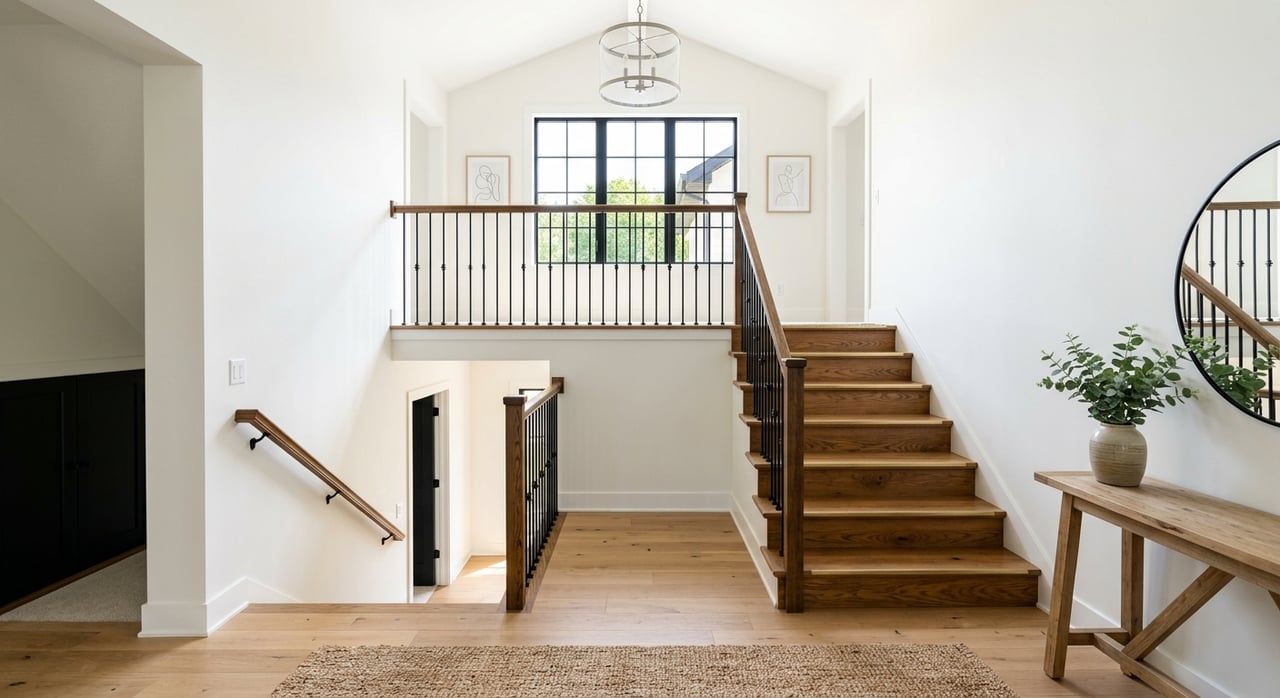
Split-level homes are another style many buyers associate with mid-century suburban development. These homes divide living space across short sets of stairs, often separating the garage or recreation area from the main living floor and upper sleeping areas. In older Gurnee neighborhoods, this is a practical layout to expect.
For some buyers, split-level homes offer useful separation of space. You may like having distinct zones for relaxing, entertaining, or working from home. For others, the half-flight transitions feel less convenient than a one-story or standard two-story plan.
The key is to think about how you live day to day. If you want more separation between activity areas and bedrooms, a split-level may feel functional. If you want fewer stairs and simpler circulation, it may be less appealing.
Two-story and Colonial-inspired homes
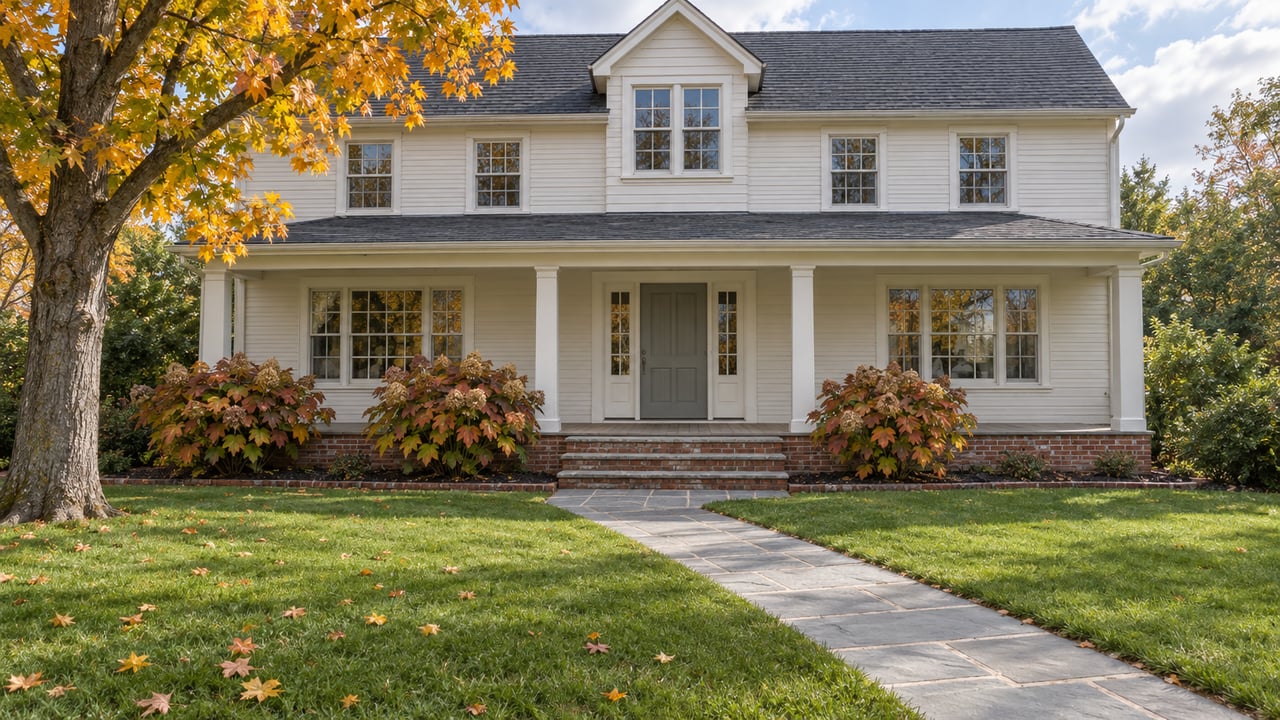
Traditional two-story homes are also part of the Gurnee mix, especially in newer subdivisions and larger detached-home areas. Colonial Revival homes are generally symmetrical and often feature a more formal entry. In everyday use, this type of layout usually places living areas downstairs and bedrooms upstairs.
That setup works well for buyers who want a clearer division between gathering space and quieter private space. If you host often, work from home, or simply like a more structured floor plan, a two-story layout can offer flexibility. It can also make it easier to keep sleeping areas separate from the busiest parts of the home.
Because 3-bedroom and 4-bedroom homes are the largest segments of Gurnee’s housing stock, these larger two-story layouts fit naturally into the local market. CMAP reports that 29.4% of homes have three bedrooms and 29.1% have four bedrooms. The median home also has 6.6 rooms, which suggests many properties offer enough space for an extra living area, office, or guest room.
Townhomes and attached housing
Detached homes may dominate Gurnee, but attached housing is still a meaningful part of the local inventory. Single-family attached homes account for 14.6% of the housing stock. Gurnee’s comprehensive plan also places townhouses in medium-density residential areas, with higher-density housing more likely near transportation corridors.
If you are shopping for lower exterior maintenance or a smaller footprint than a detached house, townhomes may be worth a closer look. They can offer a different kind of livability, especially if you want less yard upkeep or a more compact layout. Depending on the specific property, you may still get multiple bedrooms, attached garage space, and distinct living zones.
This is also where location patterns matter. If you see more attached homes near major corridors, that aligns with how the village planned for growth. Knowing that can help you make better sense of your online search results.
Newer open-concept layouts
If open-concept living is high on your list, Gurnee’s newer housing stock gives you a strong chance of finding it. More than half of local homes were built from 1990 to 2009, and another 6.5% were built in 2010 or later. Those newer homes are the most likely place to see more contemporary layouts.
Open floor plans remain common in newer housing. NAHB reports that 84% of builders say the kitchen-family room arrangement in their typical homes is completely or partially open, and 75% say the kitchen-dining area is completely or partially open. In practical terms, that often means easier sightlines, more connected gathering space, and better flow between cooking, dining, and everyday living.
That said, layout preferences are personal. Some buyers love an open main level for entertaining and daily routines. Others want more separation for privacy, noise control, or work-from-home use.
What layouts mean for daily life
The best floor plan is not just about style. It is about how your routines fit the space.
For buyers who want room to spread out
Because 3-bedroom and 4-bedroom homes make up the largest share of Gurnee’s housing stock, many buyers will see homes sized for flexible everyday use. In practical terms, that can mean space for a second living area, guest room, hobby room, or home office. If you need your home to handle more than one purpose at a time, Gurnee offers a housing profile that often supports that.
For commuters and work-from-home households
Gurnee is bisected by I-94, which connects Milwaukee and Chicago. The latest CMAP snapshot shows that 72.2% of workers drive alone, 17.8% work from home, and the mean commute time is 28.1 minutes. That helps explain why features like attached garages, useful entry areas, and smooth movement from the car to the kitchen or living space can matter so much.
If you commute regularly, notice how a home handles arrival and departure. If you work from home, pay attention to whether the layout offers enough separation for focused work. The right floor plan should support both convenience and comfort.
For downsizers or buyers seeking simpler living
Ranch homes can reduce stair use because they are typically one story. Townhomes and other attached homes may also offer a smaller-maintenance footprint than a larger detached lot. Gurnee’s comprehensive plan also notes senior and supportive living options in the village, reinforcing that age-friendly housing is part of the local landscape.
If you are thinking ahead, layout matters just as much as square footage. A home that feels easier to maintain can create a smoother next chapter, whether you are downsizing now or simply planning for long-term comfort.
How to shop Gurnee more strategically
When you browse Gurnee listings, it helps to connect style, layout, and location. Older east side areas are more likely to show homes from the 1960s through 1980s, including ranches and split-levels. Newer west side developments are more likely to offer larger detached homes and more contemporary floor plans.
You should also expect detached homes to be the main story in low-density residential areas. Townhomes, two-family housing, and multi-family options are more likely in medium- and higher-density areas, especially near transportation corridors. Once you understand that pattern, listings start to make a lot more sense.
If you are comparing options, focus on the way the home lives rather than just the label. A ranch, split-level, two-story, or townhome can each work well if the layout fits your routines, priorities, and timeline.
If you want help narrowing down which parts of Gurnee fit your style and space needs, Gina Shad can help you make sense of the local housing mix and find a home that feels right from day one.
FAQs
What home styles are most common in Gurnee?
- Gurnee is mostly made up of detached single-family homes, with ranches, split-levels, traditional two-story homes, and attached townhomes all part of the local mix.
What parts of Gurnee have newer homes?
- Gurnee’s west side generally has newer development, including many homes built after 1980 with larger footprints and more contemporary layouts.
What parts of Gurnee have older homes?
- Gurnee’s east side is generally older, with many homes built in the 1960s through the 1980s, so buyers may see more ranch and split-level layouts there.
Are townhomes common in Gurnee?
- Townhomes are a meaningful part of the market, with single-family attached housing making up 14.6% of Gurnee’s housing stock.
Are open floor plans common in Gurnee homes?
- Open layouts are more likely in newer parts of Gurnee, especially in homes built from 1990 forward, which make up a large share of the village’s housing stock.
What size homes are most common in Gurnee?
- Three-bedroom and four-bedroom homes are the biggest categories in Gurnee, and the median home has 6.6 rooms.